Logo

Forearm Fractures


The forearm is composed of two long bones:

  • Radius (located on the thumb side)
  • Ulna (located on the little finger side)

Together, these bones allow the arm to perform essential movements such as:

  • Rotating the forearm
  • Turning the palm up (supination)
  • Turning the palm down (pronation)
  • Supporting wrist and elbow function

A Forearm Fracture occurs when one or both bones break due to trauma. Fractures may vary from simple cracks with minimal displacement to complex injuries involving multiple bone fragments, joint surfaces, or associated soft tissue injuries.

Proper medical treatment and physiotherapy are essential to restore normal arm function and prevent complications such as stiffness, weakness, and loss of mobility.

At Magnum Physiotherapy, our rehabilitation programs focus on restoring movement, rebuilding strength, improving coordination, and helping patients return to their normal activities safely.

Anatomy Involved

Radius

The radius:

  • Lies on the thumb side of the forearm
  • Plays a major role in wrist movement
  • Rotates around the ulna during forearm rotation

Ulna

The ulna:

  • Lies on the little finger side
  • Provides forearm stability
  • Forms a major part of the elbow joint

Associated Structures

Joints

  • Elbow Joint
  • Proximal Radioulnar Joint
  • Distal Radioulnar Joint
  • Wrist Joint

Soft Tissues

  • Muscles
  • Tendons
  • Ligaments
  • Nerves
  • Blood vessels

These structures may also be affected during severe injuries.

Types of Forearm Fractures

Radius Fracture

Can occur at:

  • Proximal radius
  • Midshaft radius
  • Distal radius

Distal radius fractures are among the most common fractures in adults.

Ulna Fracture

May involve:

  • Olecranon
  • Shaft of the ulna
  • Distal ulna

Both-Bone Forearm Fracture

Involves fractures of both the radius and ulna.

Often results from:

  • High-impact trauma
  • Sports injuries
  • Motor vehicle accidents

Greenstick Fracture

Common in children.

The bone bends and partially breaks rather than completely separating.

Open (Compound) Fracture

The broken bone penetrates the skin.

Requires urgent medical treatment due to infection risk.

Common Symptoms

  • Forearm pain
  • Swelling
  • Bruising
  • Tenderness
  • Visible deformity
  • Difficulty moving the wrist or elbow
  • Reduced grip strength
  • Pain with rotation of the forearm
  • Numbness or tingling (if nerves are involved)

Symptoms depend on the fracture location and severity.

Causes & Risk Factors

Traumatic Causes

  • Falls onto an outstretched hand
  • Sports injuries
  • Direct blows
  • Motor vehicle accidents

Risk Factors

  • Contact sports participation
  • Osteoporosis
  • Older age
  • Previous fractures
  • Balance impairments

Conditions Associated with Forearm Fractures

  • Wrist Fractures
  • Elbow Fractures
  • Galeazzi Fracture
  • Monteggia Fracture
  • Ligament Injuries
  • Nerve Injuries
  • Compartment Syndrome

Diagnosis

Prompt medical assessment is essential.

Clinical Examination

Evaluation includes:

  • Pain assessment
  • Swelling assessment
  • Neurovascular examination
  • Functional movement assessment

Imaging Studies

X-rays

Primary imaging method for diagnosing fractures.

CT Scan

May be required for:

  • Complex fractures
  • Joint involvement
  • Surgical planning

MRI

Used when associated soft tissue injuries are suspected.

At Magnum Physiotherapy, we assess:

  • Range of motion
  • Strength
  • Functional limitations
  • Recovery progress

Medical Management

Treatment depends on fracture type, stability, and alignment.

Non-Surgical Treatment

Appropriate for stable fractures.

May include:

  • Cast immobilization
  • Splinting
  • Activity modification

Surgical Treatment

Required for:

  • Displaced fractures
  • Unstable fractures
  • Both-bone fractures
  • Open fractures

Common Procedures

Open Reduction Internal Fixation (ORIF)

Uses:

  • Plates
  • Screws
  • Rods

To stabilize the bones during healing.

Treatment at Magnum Physiotherapy

Physiotherapy begins once healing allows safe movement.

Phase 1: Pain & Swelling Management

Goals

  • Control discomfort
  • Reduce swelling
  • Protect healing structures

Treatments

  • Education
  • Gentle movement exercises
  • Swelling management techniques

Phase 2: Restore Mobility

Focus Areas

  • Wrist mobility
  • Elbow mobility
  • Forearm rotation

Exercises are progressed gradually to prevent stiffness.

Phase 3: Strengthening

Target Muscles

  • Forearm muscles
  • Wrist stabilizers
  • Hand muscles
  • Elbow muscles
  • Shoulder muscles

Progressive strengthening helps restore arm function.

Phase 4: Functional Rehabilitation

Activities Include

  • Grip strengthening
  • Lifting tasks
  • Carrying activities
  • Fine motor control exercises
  • Occupational-specific training

Phase 5: Return to Sport & Activity

For athletes and active individuals:

  • Sport-specific drills
  • Functional testing
  • Return-to-play progression

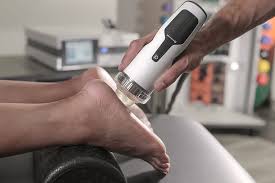
Advanced Physiotherapy Treatments

Depending on individual needs:

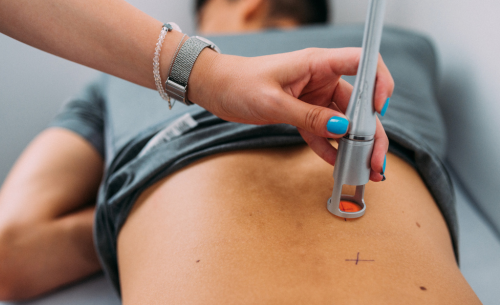
  • Class IV Laser Therapy
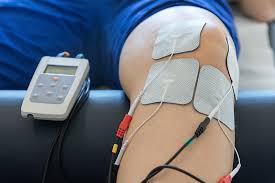
  • TENS Therapy
  • Interferential Therapy (IFT)
  • Therapeutic Ultrasound
  • Soft Tissue Mobilization
  • Scar Tissue Management
  • Joint Mobilizatio

Benefits of Physiotherapy After Forearm Fractures

  • Restores mobility
  • Reduces stiffness
  • Improves strength
  • Enhances grip function
  • Restores forearm rotation
  • Improves coordination
  • Supports safe return to activities
  • Reduces reinjury risk
  • Improves independence
  • Enhances quality of life

Recovery & Prognosis

Recovery depends on:

  • Fracture severity
  • Bone involved
  • Surgical versus non-surgical treatment
  • Participation in rehabilitation

Typical Recovery Timeline

Bone Healing

  • Approximately 6–12 weeks

Functional Recovery

  • Several weeks to months

Full recovery may take longer for complex fractures.

Potential Complications

  • Joint stiffness
  • Reduced forearm rotation
  • Delayed union
  • Nonunion
  • Malunion
  • Nerve injury
  • Chronic pain
  • Post-traumatic arthritis

Early rehabilitation helps reduce these risks.

Prevention Tips

  • Maintain bone health
  • Engage in regular strength and balance exercises
  • Wear protective sports equipment
  • Prevent falls
  • Address osteoporosis when present

When Should You Seek Immediate Medical Attention?

Seek urgent medical care if you experience:

  • Severe arm pain after trauma
  • Visible deformity
  • Open wounds near the fracture
  • Numbness or loss of sensation
  • Loss of circulation in the hand
  • Significant swelling or worsening pain

Prompt treatment can improve healing and reduce complications.

Why Choose Magnum Physiotherapy?

At Magnum Physiotherapy, we specialize in orthopedic and post-fracture rehabilitation. Our personalized Forearm Fracture rehabilitation programs combine evidence-based physiotherapy, mobility restoration, strengthening exercises, and functional retraining to help patients achieve a safe and successful recovery.
Our Blog

Chat with us Call us