Logo

Scoliosis


Scoliosis is a condition in which the spine curves abnormally in the coronal (side-to-side) plane and often rotates, creating a three-dimensional deformity. Instead of appearing straight when viewed from behind, the spine may form an “S-shaped” or “C-shaped” curve.

The severity of scoliosis varies widely:

  • Mild scoliosis may cause minimal symptoms.
  • Moderate to severe scoliosis can lead to postural imbalance, pain, reduced mobility, and, in severe cases, impaired cardiopulmonary function.

Scoliosis may develop during childhood, adolescence, or adulthood and can be classified according to its cause.

Early detection and appropriate management are important, especially in growing children, to reduce the risk of curve progression.

At Magnum Physiotherapy, our evidence-based rehabilitation programs focus on posture correction, spinal stabilization, breathing exercises, and functional improvement.

Types of Scoliosis

Idiopathic Scoliosis

The most common type, with no clearly identifiable cause.

Subtypes include:

  • Infantile Idiopathic Scoliosis: 0–3 years
  • Juvenile Idiopathic Scoliosis: 4–10 years
  • Adolescent Idiopathic Scoliosis (AIS): 10–18 years

Adolescent idiopathic scoliosis is the most frequently diagnosed form.

Congenital Scoliosis

Caused by abnormal development of the vertebrae before birth.

Neuromuscular Scoliosis

Associated with neurological or muscular disorders such as:

  • Cerebral Palsy
  • Muscular Dystrophy
  • Spinal Muscular Atrophy

Degenerative (Adult) Scoliosis

Develops due to age-related changes in the spine, including disc degeneration and arthritis.

Anatomy Involved

Spinal Regions

  • Cervical Spine
  • Thoracic Spine
  • Lumbar Spine

Structures Affected

  • Vertebrae
  • Intervertebral discs
  • Facet joints
  • Ligaments
  • Paraspinal muscles
  • Rib cage (in thoracic scoliosis)

Vertebral rotation may cause a visible rib hump or trunk asymmetry.

Common Signs & Symptoms

  • Uneven shoulders
  • One shoulder blade more prominent
  • Uneven waistline
  • Rib hump when bending forward
  • Trunk shift to one side
  • Back pain (more common in adults)
  • Muscle fatigue
  • Reduced flexibility
  • Altered posture
  • Difficulty fitting clothing evenly

Severe scoliosis may cause:

  • Shortness of breath
  • Reduced exercise tolerance

Causes & Risk Factors

Idiopathic Causes

The exact cause remains unknown, but genetic factors may contribute.

Congenital Causes

  • Vertebral malformations during fetal development

Neuromuscular Causes

  • Cerebral Palsy
  • Muscular Dystrophy
  • Spinal Cord Disorders

Degenerative Causes

  • Disc degeneration
  • Osteoarthritis
  • Osteoporosis

Risk Factors

  • Family history of scoliosis
  • Female gender (higher risk of progression in AIS)
  • Rapid growth during adolescence

Classification by Curve Severity

Mild Scoliosis

  • Cobb angle: 10–20°

Moderate Scoliosis

  • Cobb angle: 20–40°

Severe Scoliosis

  • Cobb angle: Greater than 40–50°

Diagnosis

Early diagnosis is important for effective management.

At Magnum Physiotherapy, assessment may include:

  • Detailed medical history
  • Postural analysis
  • Functional assessment
  • Spinal mobility testing
  • Muscle strength evaluation
  • Breathing assessment

Clinical Tests

  • Adam’s Forward Bend Test
  • Scoliometer measurement

Imaging Studies

  • Standing spinal X-rays
  • Cobb angle measurement
  • MRI scans (when indicated)

X-rays are used to determine:

  • Curve magnitude
  • Curve pattern
  • Skeletal maturity
  • Progression risk

Treatment at Magnum Physiotherapy

Treatment depends on:

  • Age
  • Curve severity
  • Skeletal maturity
  • Symptoms

Observation

Small curves may require monitoring only.

Physiotherapy Rehabilitation

Scoliosis-Specific Exercises

Programs may include:

  • Schroth Method principles
  • Postural correction exercises
  • Auto-correction training
  • Breathing exercises

Strengthening Exercises

  • Core stabilization
  • Trunk strengthening
  • Scapular stabilization
  • Hip strengthening

Mobility & Flexibility

  • Stretching programs
  • Spinal mobility exercises
  • Soft tissue techniques

Functional Rehabilitation

  • Balance training
  • Ergonomic education
  • Activity modification
  • Home exercise programs

Bracing

Bracing may be recommended in growing children with moderate curves to reduce progression.

Common braces include:

  • TLSO (Thoracolumbosacral Orthosis)
  • Boston Brace

Physiotherapy is often used alongside bracing.

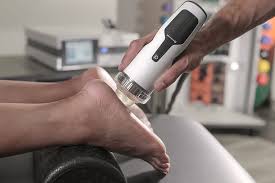
Advanced Physiotherapy Treatments

Depending on symptoms, treatment may include:

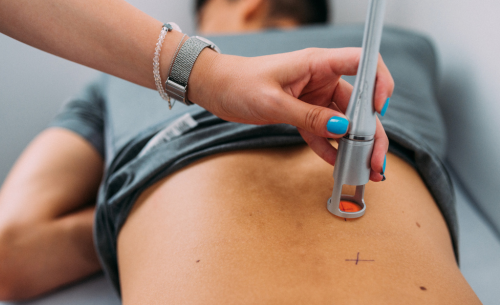
  • Class IV Laser Therapy
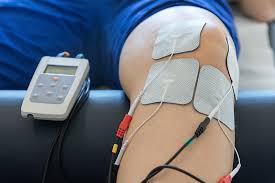
  • TENS Therapy
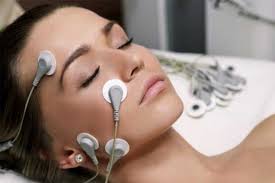
  • Interferential Therapy (IFT)
  • Soft Tissue Mobilization
  • Myofascial Release

When Is Surgery Needed?

Surgery may be considered when:

  • Curves continue to progress
  • Severe deformity develops
  • Breathing function is affected
  • Pain or disability becomes significant

Spinal fusion is the most common surgical procedure for severe scoliosis.

Post-surgical physiotherapy is essential for recovery.

Benefits of Physiotherapy for Scoliosis

  • Improves posture and alignment
  • Enhances spinal mobility
  • Strengthens supporting muscles
  • Reduces pain and fatigue
  • Improves breathing mechanics
  • Enhances body awareness
  • Supports brace treatment
  • Improves balance and function
  • Promotes long-term spinal health
  • Enhances quality of life

Recovery & Prognosis

Prognosis depends on:

  • Type of scoliosis
  • Curve severity
  • Age at diagnosis
  • Skeletal maturity
  • Adherence to treatment

Many individuals with scoliosis lead active and healthy lives with appropriate management.

Prevention Tips

While many forms of scoliosis cannot be prevented, early detection and treatment can reduce progression.

  • Attend routine screening when recommended
  • Seek assessment for postural asymmetry
  • Maintain physical activity
  • Perform prescribed exercises regularly

Why Choose Magnum Physiotherapy?

At Magnum Physiotherapy, we specialize in spine rehabilitation using evidence-based physiotherapy and individualized treatment plans. Our scoliosis programs focus on posture correction, spinal stabilization, scoliosis-specific exercises, and functional rehabilitation to help patients achieve optimal outcomes and improve quality of life.
Our Blog

Chat with us Call us