-
Magnum Physiotherapy | Contact No : +91 9998238617
Magnum Physiotherapy | Contact No : +91 9998238617
Cauda Equina Syndrome (CES) is a severe neurological condition that occurs when the bundle of nerves at the lower end of the spinal canal, known as the cauda equina (Latin for "horse's tail"), becomes compressed or damaged. These nerves control sensation and movement in the legs as well as bladder, bowel, and sexual function.
Compression of the cauda equina can rapidly lead to permanent nerve damage if not treated promptly. Therefore, CES is considered a medical emergency, and urgent surgical intervention is often required to relieve pressure on the nerves.
The most common cause of Cauda Equina Syndrome is a large lumbar disc herniation, but it may also result from spinal stenosis, tumors, infections, trauma, or post-surgical complications.
Following medical or surgical treatment, physiotherapy plays a critical role in rehabilitation by improving strength, mobility, balance, gait, bladder management strategies, and functional independence.
At Magnum Physiotherapy, our specialized neurorehabilitation and spine rehabilitation programs are designed to help patients maximize recovery and return to their daily activities safely.
Any of these symptoms require immediate emergency medical attention.
Prompt diagnosis is essential to prevent permanent neurological damage.
Diagnostic investigations may include:
At Magnum Physiotherapy, rehabilitation begins after medical stabilization and surgical management when indicated.
Cauda Equina Syndrome requires urgent medical evaluation and often emergency surgery to decompress the affected nerves.
Early surgical decompression—ideally within 24 to 48 hours of symptom onset—offers the best chance of neurological recovery.
Following surgery or medical treatment, rehabilitation focuses on restoring function and independence.
Recovery from Cauda Equina Syndrome varies depending on:
Some patients recover fully, while others may experience persistent symptoms such as weakness or bladder dysfunction. Early diagnosis and structured rehabilitation significantly improve outcomes.
At Magnum Physiotherapy, we specialize in advanced neurological and spine rehabilitation using evidence-based treatment approaches and state-of-the-art technologies. Our individualized rehabilitation programs are designed to maximize recovery, improve function, and support long-term independence following Cauda Equina Syndrome. We work closely with patients and healthcare providers to deliver comprehensive, patient-centered care
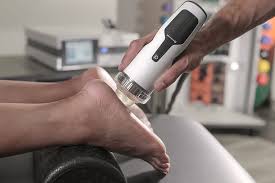
Focused Shockwave Therapy (Short Article)Focused Shockwave Therapy ek advanced non-surgical treatmen...
Read More
Cord Microcurrent Laser Therapy (Short Article)Cord Microcurrent Laser Therapy ek modern treatment t...
Read More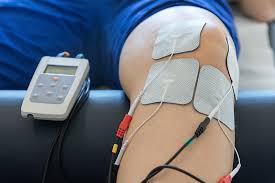
Electrotherapy kya hoti hai? (Short Article)Electrotherapy ek physiotherapy treatment hai jisme halk...
Read More
Class 4 Laser Needle Therapy (Short Article)Class 4 Laser Needle Therapy ek advanced treatment techn...
Read More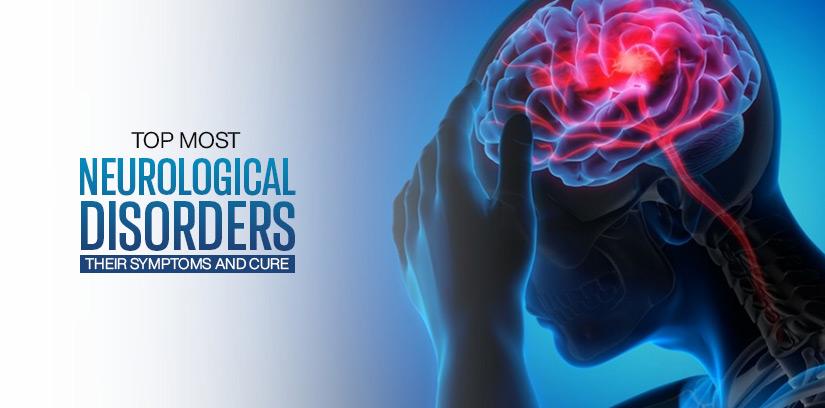
Common Neurological DisordersNeurodegenerative Diseases: Alzheimer’s disease, Parkinson's disea...
Read More