-
Magnum Physiotherapy | Contact No : +91 9998238617
Magnum Physiotherapy | Contact No : +91 9998238617
Lymphedema is a condition in which lymph fluid accumulates in the tissues due to impaired lymphatic drainage. The lymphatic system is an important part of the immune and circulatory systems, responsible for removing excess fluid, waste products, and toxins from the body.
When the lymphatic vessels or lymph nodes are damaged, blocked, or absent, lymph fluid cannot drain properly, resulting in persistent swelling, discomfort, and tissue changes.
Lymphedema most commonly affects:
The condition can develop gradually or suddenly and may range from mild swelling to severe enlargement of the affected limb.
If left untreated, lymphedema can progress and lead to:
At Magnum Physiotherapy, our certified lymphedema rehabilitation programs focus on reducing swelling, improving lymphatic drainage, preventing complications, and restoring function.
Primary lymphedema occurs due to congenital or hereditary abnormalities of the lymphatic system.
It may present as:
Secondary lymphedema occurs due to damage to the lymphatic system and is more common.
Common causes include:
No visible swelling, but lymphatic damage exists.
Soft swelling that improves with elevation.
Persistent swelling with tissue fibrosis.
Severe swelling with skin changes and limb enlargement.
At Magnum Physiotherapy, we conduct a detailed assessment to determine the severity and functional impact of lymphedema.
The evaluation may include:
Additional investigations may include lymphoscintigraphy, ultrasound, or other medical tests when necessary.
Our comprehensive lymphedema management programs are designed to reduce swelling and improve lymphatic function.
CDT is considered the gold standard treatment and includes:
At Magnum Physiotherapy, we offer specialized lymphedema rehabilitation using evidence-based techniques and advanced technologies. Our certified therapists provide individualized treatment plans tailored to each patient's needs, helping reduce swelling, improve function, and prevent complications. Through compassionate care and long-term management strategies, we empower patients to live healthier and more active lives.
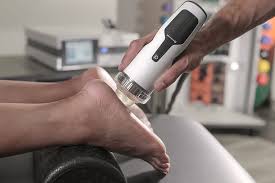
Focused Shockwave Therapy (Short Article)Focused Shockwave Therapy ek advanced non-surgical treatmen...
Read More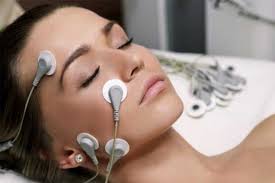
Cord Microcurrent Laser Therapy (Short Article)Cord Microcurrent Laser Therapy ek modern treatment t...
Read More
Electrotherapy kya hoti hai? (Short Article)Electrotherapy ek physiotherapy treatment hai jisme halk...
Read More
Class 4 Laser Needle Therapy (Short Article)Class 4 Laser Needle Therapy ek advanced treatment techn...
Read More
Common Neurological DisordersNeurodegenerative Diseases: Alzheimer’s disease, Parkinson's disea...
Read More