Logo

Hill-Sachs Lesion


A Hill-Sachs Lesion is a bony defect that develops when the humeral head (the ball of the shoulder joint) forcefully impacts the front edge of the glenoid (shoulder socket) during an anterior shoulder dislocation.

The shoulder is a ball-and-socket joint formed by:

  • Humeral head (ball)
  • Glenoid fossa of the scapula (socket)

Because the shoulder sacrifices stability for mobility, it is the most frequently dislocated joint in the body. During an anterior dislocation, the humeral head moves forward out of the socket and may strike the anterior glenoid rim, creating a compression fracture on its posterior-lateral surface.

A Hill-Sachs lesion may vary in size:

  • Small lesions may be asymptomatic.
  • Larger lesions can engage with the glenoid rim, causing recurrent instability and repeated dislocations.

The risk of recurrent shoulder instability increases when the lesion is associated with:

  • Bankart lesions
  • Glenoid bone loss
  • Ligament injuries

At Magnum Physiotherapy, our rehabilitation programs focus on restoring shoulder stability, strengthening the rotator cuff, and reducing the risk of recurrent dislocations.

Anatomy Involved

Bones

  • Humeral Head
  • Glenoid Fossa
  • Scapula
  • Clavicle

Soft Tissue Structures

  • Glenoid Labrum
  • Joint Capsule
  • Rotator Cuff Muscles
  • Glenohumeral Ligaments

Common Associated Injury

  • Bankart Lesion – injury to the anterior labrum of the shoulder

Causes & Risk Factors

Common Causes

  • Anterior shoulder dislocation
  • Sports injuries
  • Falls onto an outstretched arm
  • Motor vehicle accidents
  • Contact sports trauma

Risk Factors

  • Previous shoulder dislocations
  • Participation in overhead sports
  • Ligament laxity
  • Young age
  • Contact sports participation

Common Symptoms

Symptoms may arise from the dislocation itself or recurrent instability.

  • Shoulder pain
  • Feeling of instability
  • Recurrent shoulder dislocations
  • Apprehension with overhead movements
  • Weakness of the shoulder
  • Reduced range of motion
  • Clicking or catching sensation
  • Difficulty throwing or lifting
  • Fear of certain arm positions
  • Decreased athletic performance

Classification of Hill-Sachs Lesion

Non-Engaging Hill-Sachs Lesion

The defect does not engage with the glenoid rim during movement.

Usually managed conservatively.

Engaging Hill-Sachs Lesion

The defect engages with the glenoid, increasing the risk of recurrent dislocation.

May require surgical intervention.

Conditions Associated with Hill-Sachs Lesion

  • Anterior Shoulder Instability
  • Recurrent Shoulder Dislocation
  • Bankart Lesion
  • Rotator Cuff Injury
  • Glenoid Bone Loss
  • Shoulder Labral Tears

Diagnosis

At Magnum Physiotherapy, we perform a detailed shoulder assessment after orthopedic evaluation.

Assessment may include:

  • Medical history
  • Range of motion testing
  • Shoulder stability tests
  • Muscle strength evaluation
  • Functional assessment
  • Scapular movement analysis

Special Clinical Tests

  • Apprehension Test
  • Relocation Test
  • Load and Shift Test

Imaging Studies

  • X-rays
  • CT scans
  • MRI scans

MRI and CT scans help determine:

  • Size of the Hill-Sachs defect
  • Associated soft tissue injuries
  • Glenoid bone loss

Treatment

Treatment depends on:

  • Size of the lesion
  • Degree of instability
  • Activity level
  • Number of dislocations

Conservative Management

Small, stable lesions may be treated with:

  • Physiotherapy
  • Activity modification
  • Shoulder strengthening
  • Bracing when necessary

Surgical Management

Surgery may be considered for:

  • Large engaging lesions
  • Recurrent instability
  • Associated Bankart lesions

Common surgical procedures include:

  • Bankart repair
  • Remplissage procedure
  • Latarjet procedure
  • Bone grafting

Rehabilitation at Magnum Physiotherapy

Our rehabilitation programs focus on restoring stability, mobility, and function.

Early Phase Rehabilitation

Goals:

  • Control pain and inflammation
  • Protect healing tissues
  • Restore gentle movement

Interventions:

  • Pendulum exercises
  • Assisted range of motion exercises
  • Pain management techniques

Intermediate Phase Rehabilitation

Goals:

  • Restore mobility
  • Improve muscular control

Interventions:

  • Rotator cuff strengthening
  • Scapular stabilization exercises
  • Isometric strengthening
  • Neuromuscular re-education

Advanced Phase Rehabilitation

Goals:

  • Restore function
  • Return to sports

Interventions:

  • Resistance training
  • Plyometric exercises
  • Proprioception training
  • Sports-specific rehabilitation
  • Return-to-sport program

Advanced Physiotherapy Treatments

Depending on the stage of recovery, treatment may include:

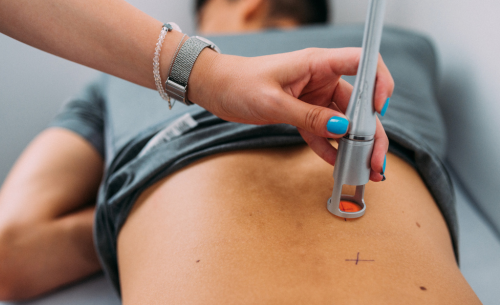
  • Class IV Laser Therapy
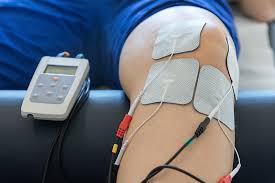
  • TENS Therapy
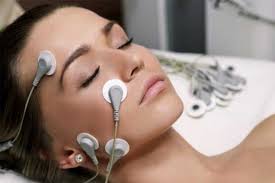
  • Interferential Therapy (IFT)
  • Therapeutic Ultrasound
  • Kinesio Taping®
  • Dry Needling

Benefits of Physiotherapy for Hill-Sachs Lesion

  • Reduces pain
  • Restores shoulder mobility
  • Improves shoulder stability
  • Strengthens the rotator cuff
  • Enhances neuromuscular control
  • Prevents recurrent dislocations
  • Improves athletic performance
  • Supports post-surgical recovery
  • Restores confidence in movement
  • Improves quality of life

Potential Complications

Without proper treatment, complications may include:

  • Recurrent shoulder dislocations
  • Chronic instability
  • Labral tears
  • Rotator cuff injuries
  • Shoulder arthritis
  • Reduced athletic performance

Early rehabilitation helps minimize these risks.

Recovery & Prognosis

Recovery depends on:

  • Size of the lesion
  • Presence of associated injuries
  • Surgical intervention if required
  • Adherence to rehabilitation

Many patients achieve excellent outcomes with appropriate treatment and physiotherapy.

Prevention Tips

  • Strengthen rotator cuff muscles
  • Improve scapular stability
  • Use proper sports techniques
  • Warm up before physical activity
  • Address shoulder instability early

Why Choose Magnum Physiotherapy?

At Magnum Physiotherapy, we specialize in advanced shoulder rehabilitation using evidence-based physiotherapy and modern technologies. Our individualized treatment programs combine manual therapy, strengthening exercises, neuromuscular training, and functional rehabilitation to optimize recovery and prevent recurrent instability.
Our Blog

Chat with us Call us