-
Magnum Physiotherapy | Contact No : +91 9998238617

Magnum Physiotherapy | Contact No : +91 9998238617
A Hip Fracture occurs when the upper part of the femur breaks near the hip joint. These fractures can significantly affect mobility, independence, and overall quality of life. Hip fractures are considered a medical emergency because they often require prompt surgical treatment and early rehabilitation to reduce complications and improve recovery outcomes.
Older adults are at greater risk due to:
Younger individuals may sustain hip fractures through:
Following surgery or conservative management, physiotherapy plays a vital role in restoring walking ability, improving strength, reducing pain, and helping patients safely return to daily activities.
At Magnum Physiotherapy, we provide evidence-based rehabilitation programs tailored to each patient's stage of recovery and functional goals.
The hip is a ball-and-socket joint consisting of:
The ball-shaped upper end of the femur.
The socket of the pelvis that receives the femoral head.
The upper portion of the thigh bone where most hip fractures occur.
Located just below the femoral head.
A common site for hip fractures.
The area between the greater and lesser trochanters.
Located just below the trochanters.
These structures can also be affected following injury or surgery.
Occurs just below the femoral head.
May disrupt blood supply to the femoral head, increasing the risk of complications.
Occurs between the greater and lesser trochanters.
One of the most common hip fracture types.
Occurs below the trochanters.
Often associated with high-energy trauma or weakened bone.
Small cracks in the bone resulting from repetitive stress.
More common in:
Symptoms typically occur immediately after injury.
The most common cause of hip fractures in older adults.
Weakens bone strength and increases fracture risk.
Examples include:
Prompt diagnosis is essential.
A healthcare provider assesses:
Primary imaging method used to confirm a fracture.
May be used when fracture details are unclear.
Useful for detecting occult or stress fractures not visible on X-rays.
At Magnum Physiotherapy, we assess:
Most hip fractures require surgery.
Uses:
To stabilize the fracture.
Replacement of the femoral head.
May be performed in selected cases.
Rarely used but may be considered when:
Rehabilitation begins as soon as medically appropriate after injury or surgery.
Focuses on:
Exercises are progressed safely according to healing guidelines.
Targets:
Improved strength supports walking and daily function.
Focuses on:
Assistive devices may be incorporated as needed.
Includes:
Depending on patient needs:
Recovery varies depending on:
Initial Healing
Functional Recovery
Some individuals may continue improving for up to a year after injury.
Early rehabilitation significantly improves outcomes.
Proper rehabilitation helps reduce these risks.
Seek urgent medical care if you experience:
Prompt treatment can improve recovery and reduce complications.
At Magnum Physiotherapy, we specialize in orthopedic rehabilitation and post-surgical recovery. Our personalized Hip Fracture rehabilitation programs combine evidence-based physiotherapy, strengthening exercises, gait training, balance rehabilitation, and fall prevention strategies to help patients regain mobility, independence, and confidence.
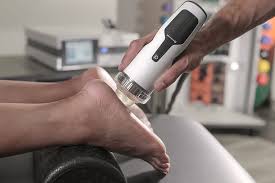
Focused Shockwave Therapy (Short Article)Focused Shockwave Therapy ek advanced non-surgical treatmen...
Read More
Cord Microcurrent Laser Therapy (Short Article)Cord Microcurrent Laser Therapy ek modern treatment t...
Read More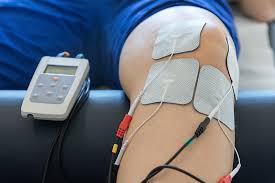
Electrotherapy kya hoti hai? (Short Article)Electrotherapy ek physiotherapy treatment hai jisme halk...
Read More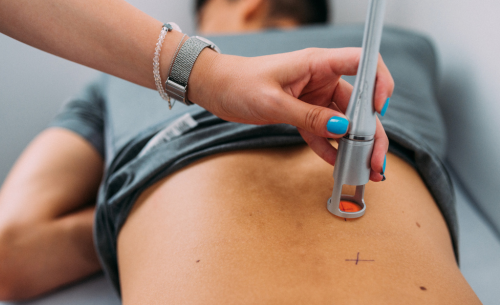
Class 4 Laser Needle Therapy (Short Article)Class 4 Laser Needle Therapy ek advanced treatment techn...
Read More
Common Neurological DisordersNeurodegenerative Diseases: Alzheimer’s disease, Parkinson's disea...
Read More