-
Magnum Physiotherapy | Contact No : +91 9998238617
Magnum Physiotherapy | Contact No : +91 9998238617
Cuboid Syndrome is a musculoskeletal condition involving the cuboid bone, one of the seven tarsal bones of the foot located on the outer (lateral) side of the midfoot. The cuboid plays a crucial role in maintaining foot stability, weight distribution, and efficient movement during walking and running.
Cuboid Syndrome occurs when there is subtle malalignment, partial subluxation, or impaired movement of the cuboid bone, often due to injury or repetitive strain. This dysfunction disrupts normal foot biomechanics and can cause pain during standing, walking, running, or jumping.
The condition is frequently associated with ankle inversion sprains, where the foot twists inward, placing excessive stress on the cuboid and surrounding ligaments. Athletes involved in running, football, basketball, dance, and other high-impact sports are particularly susceptible.
Because Cuboid Syndrome often mimics other foot conditions such as stress fractures, plantar fasciitis, or peroneal tendon injuries, it is sometimes overlooked or misdiagnosed. Early assessment and treatment are essential to prevent chronic pain and functional limitations.
At Magnum Physiotherapy, our approach focuses on restoring proper foot alignment, improving mobility, correcting biomechanical abnormalities, and preventing recurrence through evidence-based rehabilitation.
At Magnum Physiotherapy, we perform a detailed assessment to accurately diagnose Cuboid Syndrome and differentiate it from other causes of foot pain.
The evaluation may include:
A thorough evaluation is essential, as imaging studies may not always detect Cuboid Syndrome.
Our treatment approach focuses on reducing pain, restoring foot mechanics, and preventing recurrence.
At Magnum Physiotherapy, we specialize in advanced foot and ankle rehabilitation using evidence-based techniques and modern physiotherapy technologies. Our individualized treatment programs combine manual therapy, laser therapy, shockwave therapy, FSM, and corrective exercises to provide long-lasting pain relief and functional recovery. Our goal is to help patients return to pain-free movement and optimal performance.
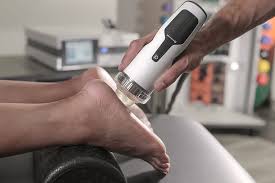
Focused Shockwave Therapy (Short Article)Focused Shockwave Therapy ek advanced non-surgical treatmen...
Read More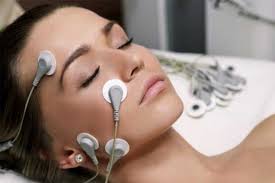
Cord Microcurrent Laser Therapy (Short Article)Cord Microcurrent Laser Therapy ek modern treatment t...
Read More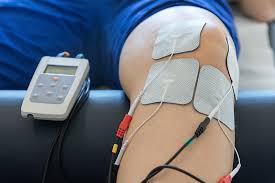
Electrotherapy kya hoti hai? (Short Article)Electrotherapy ek physiotherapy treatment hai jisme halk...
Read More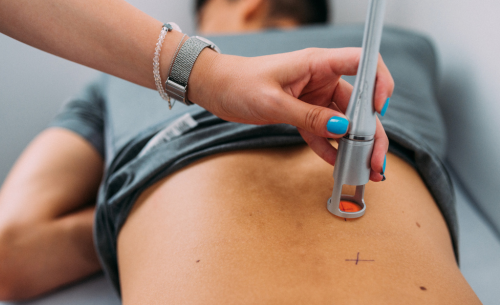
Class 4 Laser Needle Therapy (Short Article)Class 4 Laser Needle Therapy ek advanced treatment techn...
Read More
Common Neurological DisordersNeurodegenerative Diseases: Alzheimer’s disease, Parkinson's disea...
Read More