-
Magnum Physiotherapy | Contact No : +91 9998238617

Magnum Physiotherapy | Contact No : +91 9998238617
Multiple Sclerosis (MS) is a chronic disease in which the immune system mistakenly attacks the protective covering of nerve fibers called myelin. This process, known as demyelination, interferes with the transmission of nerve signals throughout the central nervous system.
Because MS can affect different areas of the brain and spinal cord, symptoms vary widely from person to person. Some individuals experience mild symptoms, while others may develop significant physical and functional limitations.
MS often follows a pattern of periods of symptom worsening (relapses) followed by periods of partial or complete recovery (remissions), although some forms of the disease progress gradually over time.
While there is currently no cure for Multiple Sclerosis, advances in medical treatment and rehabilitation allow many individuals to effectively manage symptoms and maintain an active lifestyle.
At Magnum Physiotherapy, our evidence-based rehabilitation programs focus on improving movement, maintaining function, reducing fatigue, and enhancing quality of life.
MS lesions may develop in various regions of the brain, affecting:
Damage within the spinal cord may result in:
Inflammation of the optic nerve (optic neuritis) can cause:
Myelin surrounds and insulates nerve fibers.
Damage to myelin disrupts normal nerve signal transmission.
The most common form.
Characterized by:
Begins as RRMS and gradually progresses with increasing disability over time.
Characterized by gradual worsening of symptoms from the onset without distinct relapses.
A less common form involving progressive symptoms with occasional relapses.
Symptoms vary depending on the areas of the nervous system affected.
One of the most common and disabling symptoms of MS.
The exact cause of MS remains unknown, but several factors are associated with increased risk.
The immune system attacks healthy myelin tissue.
A family history of MS may increase susceptibility.
Potential contributing factors include:
A neurologist may evaluate:
The primary imaging tool used to identify:
May detect abnormal immune activity within the central nervous system.
Assess the speed of nerve signal transmission.
Physiotherapy plays a critical role in maintaining function and improving quality of life.
Focuses on:
May include assistive device recommendations when needed.
Targets:
Improved strength helps support mobility and daily activities.
Designed to:
May include:
These techniques help reduce stiffness and maintain mobility.
Physiotherapists help patients develop strategies for:
Treatment may include:
Focuses on:
Depending on individual needs:
A neurologist may prescribe:
Designed to reduce disease activity and slow progression.
May address:
MS is a lifelong condition with a highly variable course.
Outcomes depend on:
Many individuals with MS continue to work, exercise, and maintain active lifestyles for many years with appropriate management.
Ongoing rehabilitation helps minimize these complications.
Consult a healthcare professional if you experience:
Early assessment and treatment can help manage relapses and improve outcomes
At Magnum Physiotherapy, we specialize in neurological rehabilitation and chronic disease management. Our personalized Multiple Sclerosis rehabilitation programs combine evidence-based physiotherapy, strength training, balance rehabilitation, gait retraining, fatigue management strategies, and functional mobility training to help patients maintain independence and achieve their highest level of function.

Focused Shockwave Therapy (Short Article)Focused Shockwave Therapy ek advanced non-surgical treatmen...
Read More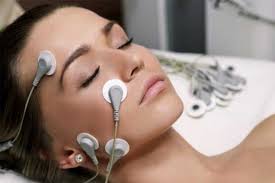
Cord Microcurrent Laser Therapy (Short Article)Cord Microcurrent Laser Therapy ek modern treatment t...
Read More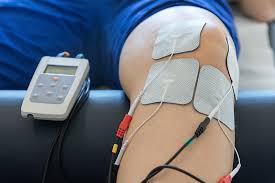
Electrotherapy kya hoti hai? (Short Article)Electrotherapy ek physiotherapy treatment hai jisme halk...
Read More
Class 4 Laser Needle Therapy (Short Article)Class 4 Laser Needle Therapy ek advanced treatment techn...
Read More
Common Neurological DisordersNeurodegenerative Diseases: Alzheimer’s disease, Parkinson's disea...
Read More