Logo

Metatarsalgia


Metatarsalgia refers to pain and inflammation in the forefoot region, particularly at the metatarsal heads—the area just behind the toes commonly known as the ball of the foot. It is not a specific disease but rather a term used to describe pain arising from increased stress or overload on the forefoot structures.

The foot contains five metatarsal bones that distribute body weight during standing, walking, and running. When excessive pressure is placed on these bones and surrounding soft tissues, pain and inflammation can develop.

Metatarsalgia commonly affects:

  • Athletes and runners
  • Individuals who stand for prolonged periods
  • People with foot deformities
  • Those wearing poorly fitting footwear

If left untreated, metatarsalgia can alter walking patterns and lead to secondary problems involving the ankle, knee, hip, or lower back.

At Magnum Physiotherapy, our treatment focuses on identifying the underlying cause of forefoot overload and providing targeted rehabilitation to restore normal foot function.

Common Symptoms

  • Pain in the ball of the foot
  • Burning or aching sensation in the forefoot
  • Sharp pain during walking or running
  • Feeling like standing on a pebble
  • Increased pain while barefoot
  • Pain that worsens with activity
  • Numbness or tingling in the toes
  • Swelling in the forefoot
  • Callus formation under the foot
  • Difficulty standing for long periods

Causes & Risk Factors

Mechanical Causes

  • Overloading of the forefoot
  • Abnormal foot biomechanics
  • High arches (Pes Cavus)
  • Flat feet (Pes Planus)
  • Tight calf muscles

Footwear-Related Causes

  • High-heeled shoes
  • Narrow toe-box footwear
  • Inadequate cushioning
  • Poor arch support

Activity-Related Causes

  • Running and jumping sports
  • Prolonged standing
  • High-impact activities
  • Sudden increase in training intensity

Medical Conditions

  • Hallux Valgus (Bunion)
  • Rheumatoid Arthritis
  • Diabetes Mellitus
  • Morton's Neuroma
  • Stress Fractures

Risk Factors

  • Obesity
  • Aging
  • Previous foot injuries
  • Occupational standing

Types of Metatarsalgia

Primary Metatarsalgia

Caused by abnormalities in foot structure or biomechanics.

Secondary Metatarsalgia

Occurs due to underlying medical conditions or injuries.

Iatrogenic Metatarsalgia

Develops following foot surgery or altered foot mechanics.

Conditions Associated with Metatarsalgia

  • Morton's Neuroma
  • Plantar Fasciitis
  • Hallux Valgus (Bunion)
  • Stress Fractures
  • Hammer Toe
  • Claw Toe
  • Rheumatoid Arthritis
  • Posterior Tibial Tendon Dysfunction (PTTD)

Diagnosis

At Magnum Physiotherapy, we perform a comprehensive assessment to determine the underlying cause of forefoot pain.

The evaluation may include:

  • Detailed medical history
  • Foot posture assessment
  • Gait analysis
  • Pressure distribution analysis
  • Range of motion testing
  • Muscle strength evaluation
  • Functional movement assessment
  • Palpation of the forefoot
  • Review of X-rays, ultrasound, or MRI if available

Imaging studies may help rule out fractures, neuromas, or arthritis.

Treatment at Magnum Physiotherapy

Our treatment programs focus on relieving pain, correcting biomechanics, and restoring foot function.

Advanced Physiotherapy Treatments

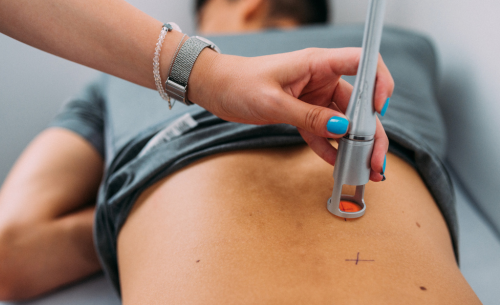
  • Class IV Laser Therapy
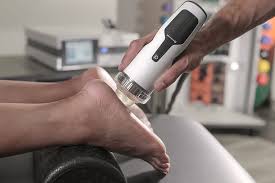
  • Therapeutic Ultrasound
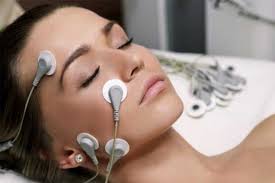
  • Frequency Specific Microcurrent (FSM)
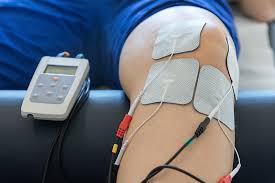
  • Interferential Therapy (IFT)
  • TENS Therapy
  • Kinesio Taping®
  • Soft Tissue Mobilization

Rehabilitation Programs

  • Foot Intrinsic Muscle Strengthening
  • Toe Exercises
  • Calf Stretching
  • Balance and Proprioception Training
  • Gait Retraining
  • Lower Limb Strengthening
  • Functional Rehabilitation
  • Activity Modification
  • Home Exercise Programs

Orthotic & Supportive Management

  • Metatarsal Pads
  • Custom Orthotics
  • Arch Supports
  • Footwear Modification
  • Cushioning Insoles

Benefits of Physiotherapy for Metatarsalgia

  • Reduces pain and inflammation
  • Improves foot mechanics
  • Redistributes pressure on the forefoot
  • Enhances walking comfort
  • Strengthens supporting muscles
  • Improves balance and stability
  • Prevents recurrence
  • Supports return to sports and activities
  • Enhances mobility
  • Improves quality of life

Prevention Tips

  • Wear supportive footwear
  • Avoid prolonged use of high heels
  • Maintain a healthy body weight
  • Increase activity levels gradually
  • Stretch calf muscles regularly
  • Strengthen foot muscles
  • Use appropriate sports footwear

When Is Surgery Needed?

Surgery is rarely required and is generally considered when:

  • Conservative treatment fails
  • Structural deformities are severe
  • Neuromas or fractures require intervention

Most patients respond well to physiotherapy and footwear modifications.

Recovery & Prognosis

The prognosis is generally excellent with appropriate treatment. Recovery time depends on:

  • Severity of symptoms
  • Underlying cause
  • Compliance with rehabilitation
  • Footwear changes

Early intervention significantly improves outcomes and prevents chronic foot pain.

Why Choose Magnum Physiotherapy?

At Magnum Physiotherapy, we specialize in foot and ankle rehabilitation using evidence-based physiotherapy techniques and advanced technologies. Our personalized treatment programs combine Laser Therapy, FSM, gait retraining, and targeted exercises to relieve pain, improve biomechanics, and restore comfortable movement. We are committed to helping patients return to an active and pain-free lifestyle.
Our Blog

Chat with us Call us