Logo

Meralgia Paresthetica


Meralgia Paresthetica is a neuropathic condition that occurs when the Lateral Femoral Cutaneous Nerve (LFCN) becomes compressed or irritated as it passes through the pelvis and under or near the inguinal ligament.

The LFCN originates from the L2–L3 nerve roots of the lumbar spine and supplies sensation to the:

  • Outer (lateral) thigh
  • Upper anterolateral thigh region

Since this nerve is purely sensory, Meralgia Paresthetica typically causes sensory symptoms without affecting muscle strength or reflexes.

The condition may develop due to increased pressure on the nerve from tight clothing, obesity, pregnancy, prolonged standing, or trauma. In some cases, it may occur following surgical procedures around the hip or pelvis.

Symptoms often worsen during:

  • Walking
  • Prolonged standing
  • Hip extension
  • Wearing tight belts or clothing

If left untreated, symptoms may become chronic and interfere with daily activities and quality of life.

At Magnum Physiotherapy, our evidence-based treatment focuses on reducing nerve irritation, improving biomechanics, and restoring pain-free function.

Anatomy Involved

Lateral Femoral Cutaneous Nerve (LFCN)

  • Origin: L2–L3 nerve roots
  • Passes across the iliacus muscle
  • Travels beneath or through the inguinal ligament
  • Supplies sensation to the lateral thigh

Compression most commonly occurs near the Anterior Superior Iliac Spine (ASIS) under the inguinal ligament.

Common Symptoms

  • Burning pain on the outer thigh
  • Numbness of the lateral thigh
  • Tingling or pins-and-needles sensation
  • Increased sensitivity to touch
  • Sharp or aching pain
  • Symptoms worsening with standing or walking
  • Relief when sitting or flexing the hip
  • Hypersensitivity of the skin
  • Patchy sensory loss over the thigh

Note: Muscle weakness is generally absent because the LFCN is a sensory nerve.

Causes & Risk Factors

Mechanical Compression

  • Tight belts
  • Tight clothing
  • Tool belts
  • Corsets

Increased Abdominal Pressure

  • Obesity
  • Pregnancy
  • Ascites

Trauma & Surgical Causes

  • Hip surgery
  • Pelvic surgery
  • Seat belt injuries
  • Direct trauma to the pelvis

Medical Conditions

  • Diabetes Mellitus
  • Peripheral neuropathy

Occupational Risk Factors

  • Prolonged standing
  • Repetitive hip movements
  • Heavy equipment use

Conditions Associated with Meralgia Paresthetica

  • Obesity
  • Pregnancy
  • Diabetes Mellitus
  • Lumbar Spine Disorders
  • Hip Osteoarthritis
  • Pelvic Trauma
  • Peripheral Neuropathy

Diagnosis

Diagnosis is primarily based on history and clinical examination.

At Magnum Physiotherapy, assessment may include:

  • Detailed medical history
  • Sensory examination
  • Postural assessment
  • Hip and lumbar spine evaluation
  • Gait analysis
  • Neural tension testing
  • Functional movement assessment

Additional investigations may include:

  • Nerve Conduction Studies (NCS)
  • Electromyography (EMG)
  • Ultrasound
  • MRI scans (to exclude other conditions)

Differential Diagnosis

Conditions that may mimic Meralgia Paresthetica include:

  • Lumbar Radiculopathy (L2–L3)
  • Femoral Neuropathy
  • Hip Osteoarthritis
  • Trochanteric Pain Syndrome
  • Peripheral Neuropathy

Accurate diagnosis is essential because treatment approaches differ.

Treatment at Magnum Physiotherapy

The goal of treatment is to reduce nerve compression, relieve symptoms, and improve movement patterns.

Conservative Management

  • Activity modification
  • Weight management guidance
  • Avoidance of tight clothing or belts
  • Ergonomic advice

Advanced Physiotherapy Treatments

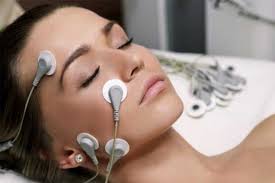
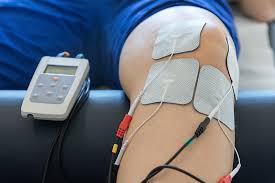
  • Percutaneous Neuromodulation (PNE)
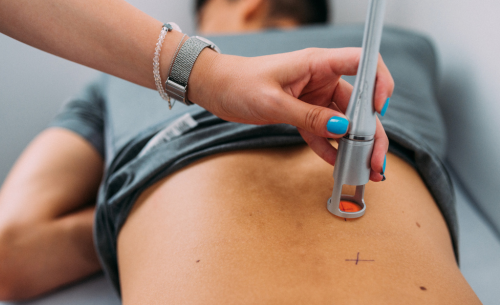
  • Class IV Laser Therapy
  • TENS Therapy
  • Interferential Therapy (IFT)
  • Frequency Specific Microcurrent (FSM)
  • Dry Needling (when appropriate)

Rehabilitation Programs

Nerve Mobilization

  • Lateral Femoral Cutaneous Nerve gliding exercises
  • Neural mobilization techniques

Mobility Exercises

  • Hip flexibility exercises
  • Lumbar mobility exercises
  • Stretching of hip flexors

Strengthening Programs

  • Core stabilization exercises
  • Pelvic stabilization training
  • Hip strengthening exercises

Functional Rehabilitation

  • Postural correction
  • Gait retraining
  • Functional movement training
  • Home exercise programs

Benefits of Physiotherapy for Meralgia Paresthetica

  • Reduces nerve irritation
  • Decreases burning pain and numbness
  • Improves hip and pelvic mobility
  • Corrects movement dysfunction
  • Enhances posture
  • Improves walking tolerance
  • Promotes nerve recovery
  • Reduces recurrence risk
  • Improves daily function
  • Enhances quality of life

When Is Medical Treatment Needed?

Medical interventions may be considered if symptoms persist despite conservative treatment, including:

  • Anti-inflammatory medications
  • Nerve block injections
  • Surgical decompression (rare cases)

Physiotherapy remains important before and after medical procedures.

Recovery & Prognosis

Most individuals improve with conservative treatment, especially when the source of nerve compression is addressed.

Recovery depends on:

  • Duration of symptoms
  • Severity of compression
  • Underlying cause
  • Compliance with rehabilitation

Many patients experience significant relief within weeks to months.

Prevention Tips

  • Maintain a healthy body weight
  • Avoid tight clothing and belts
  • Improve posture
  • Strengthen core muscles
  • Address hip and pelvic dysfunction early
  • Take breaks from prolonged standing

Why Choose Magnum Physiotherapy?

At Magnum Physiotherapy, we specialize in advanced nerve and musculoskeletal rehabilitation using evidence-based physiotherapy and modern technologies. Our individualized programs combine PNE, Laser Therapy, nerve mobilization, and corrective exercises to relieve symptoms and restore function. We are dedicated to helping patients return to pain-free movement and daily activities.

Our Blog

Chat with us Call us