-
Magnum Physiotherapy | Contact No : +91 9998238617
Magnum Physiotherapy | Contact No : +91 9998238617
The median nerve is one of the three major nerves of the upper limb and plays a vital role in hand sensation and movement. It originates from the brachial plexus (C5–T1 nerve roots) and travels through the arm, forearm, and wrist before entering the hand via the carpal tunnel.
The median nerve supplies sensation to the:
It also controls several muscles responsible for thumb movement, grip, and fine motor coordination.
A Median Nerve Injury occurs when the nerve is compressed, stretched, lacerated, or otherwise damaged. Depending on the location and severity of the injury, symptoms may range from mild numbness to severe weakness and loss of hand function.
One of the most common conditions involving the median nerve is Carpal Tunnel Syndrome, where the nerve becomes compressed at the wrist. However, the nerve can also be injured at the forearm, elbow, or upper arm due to trauma, fractures, repetitive strain, or surgical complications.
If left untreated, median nerve injury may lead to muscle wasting, reduced hand dexterity, chronic pain, and permanent functional impairment.
At Magnum Physiotherapy, our rehabilitation programs focus on promoting nerve healing, restoring strength, improving mobility, and maximizing hand function.
Compression of the median nerve at the wrist.
Compression of the median nerve in the forearm.
Direct injury due to fractures, cuts, or trauma.
Nerve dysfunction following surgical procedures.
At Magnum Physiotherapy, we conduct a detailed neurological and functional assessment to determine the severity and impact of the nerve injury.
The evaluation may include:
This comprehensive evaluation helps create a personalized rehabilitation plan.
Our rehabilitation programs aim to promote nerve recovery, restore movement, and improve hand function.
Recovery depends on:
Mild nerve compression may improve within weeks to months, while severe injuries may require surgical intervention and prolonged rehabilitation.
At Magnum Physiotherapy, we specialize in advanced nerve rehabilitation using evidence-based physiotherapy techniques and modern technologies. Our individualized treatment programs combine PNE, Laser Therapy, FSM, nerve mobilization, and functional rehabilitation to maximize recovery and restore hand function. We are committed to helping patients regain independence and return to their daily activities with confidence.
Focused Shockwave Therapy (Short Article)Focused Shockwave Therapy ek advanced non-surgical treatmen...
Read More
Cord Microcurrent Laser Therapy (Short Article)Cord Microcurrent Laser Therapy ek modern treatment t...
Read More
Electrotherapy kya hoti hai? (Short Article)Electrotherapy ek physiotherapy treatment hai jisme halk...
Read More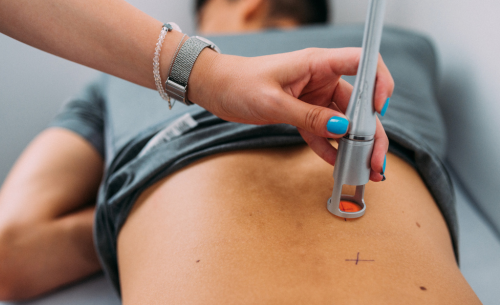
Class 4 Laser Needle Therapy (Short Article)Class 4 Laser Needle Therapy ek advanced treatment techn...
Read More
Common Neurological DisordersNeurodegenerative Diseases: Alzheimer’s disease, Parkinson's disea...
Read More