Logo

Bunion Or Hallux Valgus


Hallux Valgus is one of the most common forefoot deformities, characterized by lateral deviation of the great toe (hallux) toward the smaller toes and medial deviation of the first metatarsal bone. This results in a prominent bony bump, commonly called a bunion, on the inside of the foot at the base of the big toe.

The deformity develops gradually over time due to a combination of biomechanical, genetic, and environmental factors. As the condition progresses, the alignment of the toe changes, placing abnormal stress on the joints, ligaments, tendons, and surrounding soft tissues.

Hallux Valgus may lead to:

  • Foot pain and inflammation
  • Difficulty wearing shoes
  • Altered walking patterns
  • Reduced balance and mobility
  • Secondary toe deformities

Women are more commonly affected than men, partly due to footwear choices and ligament laxity. However, genetics and foot structure also play a significant role.

If left untreated, the deformity may worsen over time, leading to chronic pain, arthritis, and functional limitations.

At Magnum Physiotherapy, we provide evidence-based treatment aimed at relieving pain, improving foot mechanics, and preventing progression of the deformity.

Common Symptoms

  • Bony bump on the inner side of the foot
  • Big toe deviating toward the second toe
  • Pain at the base of the big toe
  • Swelling and redness around the joint
  • Difficulty wearing tight or narrow shoes
  • Calluses or corns between toes
  • Foot fatigue during walking
  • Stiffness in the big toe joint
  • Reduced range of motion
  • Difficulty with prolonged standing or walking

Causes & Risk Factors

Structural & Biomechanical Factors

  • Flat feet (Pes Planus)
  • Hypermobility of the first ray
  • Abnormal foot mechanics
  • Overpronation
  • Ligament laxity

Genetic Factors

  • Family history of bunions
  • Inherited foot shape or structure

Footwear-Related Factors

  • Narrow toe-box shoes
  • High-heeled footwear
  • Tight-fitting shoes

Medical Conditions

  • Rheumatoid Arthritis
  • Neuromuscular disorders
  • Connective tissue disorders

Risk Factors

  • Female gender
  • Increasing age
  • Occupations requiring prolonged standing
  • Previous foot injuries

Types of Hallux Valgus

Mild Hallux Valgus

  • Minimal deviation of the big toe
  • Mild pain or cosmetic concerns

Moderate Hallux Valgus

  • Increased deformity
  • Pain during walking or shoe wear

Severe Hallux Valgus

  • Significant toe displacement
  • Functional impairment and arthritis

Conditions Associated with Hallux Valgus

  • Bunionette (Tailor’s Bunion)
  • Hammer Toe
  • Claw Toe
  • Metatarsalgia
  • Flat Feet (Pes Planus)
  • Osteoarthritis of the First MTP Joint
  • Plantar Fasciitis

Diagnosis

At Magnum Physiotherapy, we perform a detailed assessment to determine the severity of the deformity and its impact on function.

The evaluation may include:

  • Detailed medical history
  • Foot and gait analysis
  • Postural assessment
  • Range of motion testing
  • Joint mobility examination
  • Muscle strength assessment
  • Pressure distribution analysis
  • Functional movement evaluation
  • Review of X-rays if available

X-rays help measure the degree of deformity and assess joint changes.

Treatment at Magnum Physiotherapy

Treatment focuses on reducing pain, improving foot function, and slowing progression of the deformity.

Conservative Management

  • Footwear modification
  • Activity modification
  • Orthotic recommendations
  • Toe spacers or splints

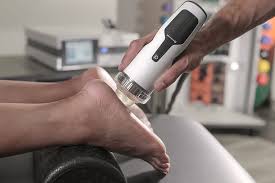
Advanced Physiotherapy Treatments

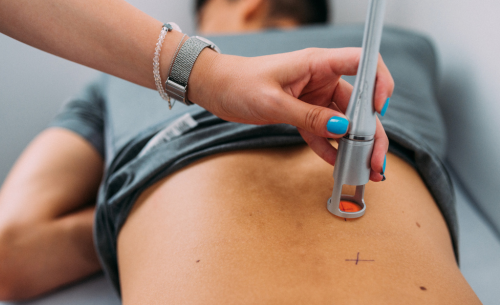
  • Class IV Laser Therapy
  • Therapeutic Ultrasound
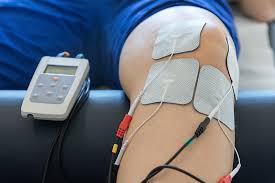
  • TENS Therapy
  • Interferential Therapy (IFT)
  • Kinesio Taping®
  • Soft Tissue Mobilization

Rehabilitation Programs

  • Foot Intrinsic Muscle Strengthening
  • Toe Mobility Exercises
  • Stretching Exercises
  • Balance and Proprioception Training
  • Gait Retraining
  • Functional Rehabilitation
  • Lower Limb Strengthening
  • Home Exercise Programs

Post-Surgical Rehabilitation

Patients undergoing bunion surgery may benefit from:

  • Pain and swelling management
  • Scar tissue mobilization
  • Range of motion exercises
  • Gait retraining
  • Strengthening programs
  • Return-to-activity rehabilitation

Benefits of Physiotherapy for Hallux Valgus

  • Reduces pain and inflammation
  • Improves foot alignment and mechanics
  • Enhances mobility and flexibility
  • Strengthens foot muscles
  • Improves balance and gait
  • Reduces pressure on the big toe joint
  • Delays progression of deformity
  • Supports post-surgical recovery
  • Improves daily function
  • Enhances quality of life

Prevention Tips

  • Wear shoes with a wide toe box
  • Avoid prolonged use of high heels
  • Maintain healthy foot mechanics
  • Perform foot strengthening exercises
  • Use orthotics when indicated
  • Address foot pain early
  • Maintain a healthy body weight

When Is Surgery Needed?

Surgery may be considered if:

  • Pain persists despite conservative treatment
  • Walking becomes significantly impaired
  • Severe deformity develops
  • Joint arthritis is present

Physiotherapy remains essential before and after surgery to optimize outcomes.

Why Choose Magnum Physiotherapy?

At Magnum Physiotherapy, we specialize in foot and ankle rehabilitation using evidence-based physiotherapy techniques and advanced technologies. Our personalized treatment programs focus on reducing pain, improving foot mechanics, and restoring mobility. Whether managing bunions conservatively or after surgery, our goal is to help patients return to comfortable, pain-free movement.
Our Blog

Chat with us Call us