-
Magnum Physiotherapy | Contact No : +91 9998238617
Magnum Physiotherapy | Contact No : +91 9998238617
Retrolisthesis is a condition characterized by the posterior (backward) displacement of one vertebra over the vertebra beneath it. Unlike spondylolisthesis, where the vertebra slips forward, retrolisthesis involves backward slippage and may alter the normal biomechanics of the spine.
Although retrolisthesis can occur in any part of the spine, it is most commonly seen in:
The condition may range from mild to severe and can affect spinal stability, disc health, and nerve function. In some individuals, retrolisthesis may be asymptomatic and discovered incidentally on imaging studies. In others, it can cause chronic pain and neurological symptoms due to compression of nearby nerves.
Retrolisthesis often develops due to degeneration of spinal discs and joints, trauma, poor posture, or instability of the spinal segments. If left untreated, it may contribute to disc degeneration, spinal stenosis, and chronic mechanical back pain.
At Magnum Physiotherapy, our treatment approach focuses on correcting movement dysfunctions, improving spinal stability, reducing nerve irritation, and restoring pain-free movement.
The vertebra slips backward relative to both vertebrae above and below.
The vertebra slips backward relative to either the vertebra above or below.
The vertebra shifts backward relative to the vertebra above but remains aligned with the vertebra below.
At Magnum Physiotherapy, we perform a comprehensive spinal assessment to determine the severity and functional impact of retrolisthesis.
The evaluation may include:
Imaging studies help confirm the degree of vertebral displacement and associated spinal changes.
Our rehabilitation programs focus on improving spinal stability, reducing pain, and restoring function.
Surgery may be considered in cases of:
Most patients with mild to moderate retrolisthesis respond well to structured physiotherapy and lifestyle modifications.
At Magnum Physiotherapy, we specialize in advanced spine rehabilitation using evidence-based physiotherapy techniques and cutting-edge technologies. Our personalized treatment programs combine Cox® Flexion Distraction, Laser Therapy, FSM, DNS, and targeted rehabilitation to provide long-term relief and functional recovery. We focus on treating the root cause of spinal dysfunction, helping patients regain mobility and live pain-free.
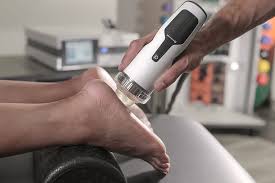
Focused Shockwave Therapy (Short Article)Focused Shockwave Therapy ek advanced non-surgical treatmen...
Read More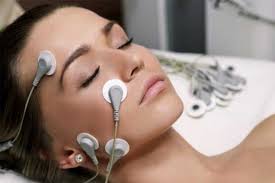
Cord Microcurrent Laser Therapy (Short Article)Cord Microcurrent Laser Therapy ek modern treatment t...
Read More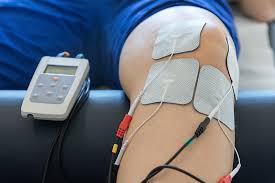
Electrotherapy kya hoti hai? (Short Article)Electrotherapy ek physiotherapy treatment hai jisme halk...
Read More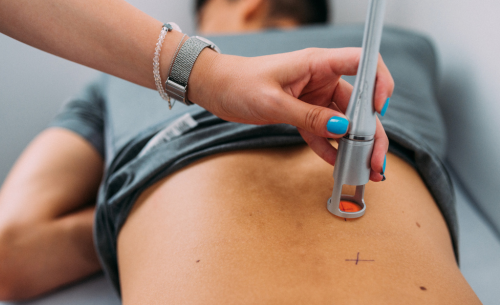
Class 4 Laser Needle Therapy (Short Article)Class 4 Laser Needle Therapy ek advanced treatment techn...
Read More
Common Neurological DisordersNeurodegenerative Diseases: Alzheimer’s disease, Parkinson's disea...
Read More