-
Magnum Physiotherapy | Contact No : +91 9998238617
Magnum Physiotherapy | Contact No : +91 9998238617
Mallet Finger, sometimes referred to as Baseball Finger, occurs when the extensor tendon responsible for straightening the distal interphalangeal (DIP) joint is damaged or torn. In some cases, the tendon injury may pull off a small fragment of bone from the distal phalanx, known as an avulsion fracture.
The injury usually occurs when a forceful impact bends the fingertip suddenly while the finger is extended. This prevents the tendon from effectively straightening the fingertip, resulting in a characteristic drooping appearance.
Mallet Finger most commonly affects:
Early diagnosis and proper treatment are important to achieve optimal recovery and prevent permanent finger deformity.
At Magnum Physiotherapy, our rehabilitation programs focus on restoring function, protecting healing tissues, and maximizing hand performance.
The extensor tendon runs along the back of the finger and allows the fingertip to straighten.
The joint closest to the fingertip.
This is the primary joint affected in Mallet Finger injuries.
The bone at the tip of the finger.
In some cases, a small portion of this bone may fracture along with the tendon injury.
Symptoms typically appear immediately after injury.
Diagnosis is based on clinical assessment and imaging.
Healthcare providers evaluate:
Used to:
MRI is rarely required but may be used in complex cases.
At Magnum Physiotherapy, we assess:
Most Mallet Finger injuries can be treated successfully without surgery.
The cornerstone of treatment.
The DIP joint is maintained in full extension for:
The fingertip must remain straight during the healing period.
Following immobilization, rehabilitation helps restore motion and function.
Promote smooth tendon movement and reduce stiffness.
Focus on:
Designed to restore:
Depending on individual needs:
Surgery may be considered if:
Post-surgical rehabilitation is essential for optimal recovery.
Most patients recover well with early treatment and adherence to splinting.
Splinting Phase
Rehabilitation Phase
Some mild extension lag may persist in certain cases, but function is often excellent.
Without proper treatment, complications may include:
Early treatment significantly improves outcomes.
Seek medical evaluation if you experience:
Early diagnosis and treatment provide the best opportunity for full recovery.
At Magnum Physiotherapy, we specialize in hand and orthopedic rehabilitation. Our individualized Mallet Finger treatment programs combine evidence-based physiotherapy, mobility restoration, strengthening exercises, and functional retraining to help patients regain optimal hand function and return to their daily activities with confidence.
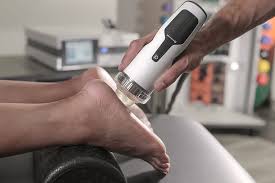
Focused Shockwave Therapy (Short Article)Focused Shockwave Therapy ek advanced non-surgical treatmen...
Read More
Cord Microcurrent Laser Therapy (Short Article)Cord Microcurrent Laser Therapy ek modern treatment t...
Read More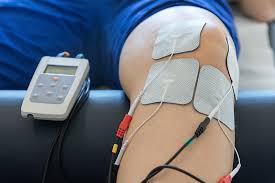
Electrotherapy kya hoti hai? (Short Article)Electrotherapy ek physiotherapy treatment hai jisme halk...
Read More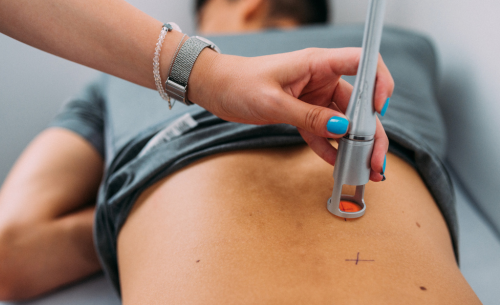
Class 4 Laser Needle Therapy (Short Article)Class 4 Laser Needle Therapy ek advanced treatment techn...
Read More
Common Neurological DisordersNeurodegenerative Diseases: Alzheimer’s disease, Parkinson's disea...
Read More