Logo

Smith Fracture


A Smith Fracture is a fracture involving the distal end of the radius, one of the two bones of the forearm. Unlike a Colles’ fracture, where the distal fragment is displaced dorsally (toward the back of the hand), a Smith fracture involves volar or palmar displacement (toward the palm).

This injury usually results from:

  • Falling onto a flexed wrist
  • Direct trauma to the wrist
  • Motor vehicle accidents
  • Sports injuries

Because of the direction of displacement, Smith fractures are often unstable and may require reduction or surgical fixation to restore proper alignment.

The wrist is a complex joint responsible for:

  • Hand positioning
  • Grip strength
  • Fine motor activities
  • Weight-bearing through the upper limb

Improper healing can significantly affect daily activities such as writing, lifting, dressing, and gripping objects.

At Magnum Physiotherapy, our rehabilitation programs focus on restoring range of motion, improving strength, reducing stiffness, and helping patients return safely to work and recreational activities.

Anatomy Involved

Bones

  • Distal Radius
  • Ulna (may occasionally be involved)
  • Carpal Bones

Joints

  • Radiocarpal Joint
  • Distal Radioulnar Joint (DRUJ)

Soft Tissue Structures

  • Wrist ligaments
  • Joint capsule
  • Tendons of the forearm and hand
  • Triangular Fibrocartilage Complex (TFCC)

Causes & Risk Factors

Common Causes

  • Fall onto a flexed wrist
  • Direct blow to the wrist
  • Sports trauma
  • Road traffic accidents

Risk Factors

  • Osteoporosis
  • Advanced age
  • Participation in contact sports
  • Poor balance leading to falls
  • Previous fractures

Classification of Smith Fracture

Type I – Extra-Articular Fracture

The fracture does not involve the wrist joint.

Type II – Intra-Articular Fracture

The fracture extends into the wrist joint.

Type III – Juxta-Articular Fracture

The fracture occurs near the joint and may affect stability.

Common Symptoms

  • Severe wrist pain
  • Swelling around the wrist
  • Bruising and discoloration
  • Visible deformity
  • Tenderness over the distal radius
  • Difficulty moving the wrist
  • Reduced grip strength
  • Pain during hand movements
  • Difficulty performing daily activities
  • Numbness or tingling if nerves are involved

Diagnosis

Prompt diagnosis is essential for proper treatment and prevention of complications.

Investigations may include:

  • Detailed medical history
  • Physical examination
  • Neurovascular assessment
  • X-rays of the wrist
  • CT scans for complex fractures
  • MRI scans when soft tissue injuries are suspected

X-rays help determine:

  • Fracture pattern
  • Degree of displacement
  • Joint involvement
  • Stability of the fracture

At Magnum Physiotherapy, rehabilitation begins after orthopedic stabilization and medical clearance.

Treatment

Conservative Management

Stable fractures may be treated with:

  • Closed reduction
  • Cast or splint immobilization
  • Pain management

Surgical Management

Unstable fractures may require:

  • Open Reduction and Internal Fixation (ORIF)
  • Plate and screw fixation
  • External fixation in selected cases

Rehabilitation at Magnum Physiotherapy

Physiotherapy is essential for restoring function after immobilization or surgery.

Early Phase Rehabilitation

Goals:

  • Control pain and swelling
  • Protect healing structures
  • Maintain movement in unaffected joints

Interventions:

  • Edema management
  • Finger exercises
  • Elbow and shoulder mobility exercises
  • Scar management (post-surgery)

Intermediate Phase Rehabilitation

Goals:

  • Restore wrist mobility
  • Improve flexibility

Interventions:

  • Wrist range of motion exercises
  • Forearm pronation and supination exercises
  • Gentle stretching
  • Joint mobilization when appropriate

Advanced Phase Rehabilitation

Goals:

  • Restore strength and function
  • Return to work and sports

Interventions:

  • Grip strengthening exercises
  • Resistance training
  • Dexterity exercises
  • Functional hand training
  • Proprioceptive exercises

Advanced Physiotherapy Treatments

Depending on healing stage and medical clearance, treatment may include:

  • Class IV Laser Therapy
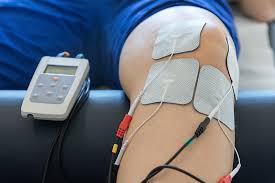
  • TENS Therapy
  • Interferential Therapy (IFT)
  • Therapeutic Ultrasound
  • Electrical Muscle Stimulation (EMS)
  • Soft Tissue Mobilization

Benefits of Physiotherapy for Smith Fracture

  • Reduces pain and swelling
  • Restores wrist mobility
  • Improves grip strength
  • Enhances hand function
  • Prevents stiffness and contractures
  • Improves joint flexibility
  • Supports post-surgical recovery
  • Facilitates return to work
  • Restores independence in daily activities
  • Improves quality of life

Potential Complications

Without appropriate treatment, complications may include:

  • Malunion
  • Nonunion
  • Wrist stiffness
  • Chronic pain
  • Reduced grip strength
  • Post-traumatic arthritis
  • Nerve compression
  • Complex Regional Pain Syndrome (CRPS)

Early rehabilitation helps minimize these complications.

Recovery & Prognosis

Recovery depends on:

  • Severity of the fracture
  • Joint involvement
  • Surgical management
  • Patient age and bone health
  • Adherence to rehabilitation

Most patients regain good wrist function with proper treatment, though complete recovery may take several weeks to months.

Prevention Tips

  • Maintain bone health with adequate calcium and vitamin D
  • Perform strength and balance exercises
  • Use protective equipment during sports
  • Address osteoporosis when present
  • Prevent falls through home safety measures

Why Choose Magnum Physiotherapy?

At Magnum Physiotherapy, we specialize in upper limb and post-fracture rehabilitation using evidence-based physiotherapy and advanced technologies. Our personalized treatment programs combine manual therapy, mobility exercises, strengthening, and functional training to optimize recovery and help patients return to their daily activities with confidence
Our Blog

Chat with us Call us