-
Magnum Physiotherapy | Contact No : +91 9998238617
Magnum Physiotherapy | Contact No : +91 9998238617
Hemiplegia refers to paralysis or significant weakness of one side of the body resulting from damage to the brain or nervous system. The term “hemi” means one side, while “plegia” means paralysis. Depending on the location of the brain injury, the right or left side of the body may be affected.
Hemiplegia most commonly occurs after a stroke, but it may also result from traumatic brain injury, cerebral palsy, brain tumors, infections, or other neurological conditions. Since the brain controls movement on the opposite side of the body, damage to the left side of the brain typically affects the right side of the body and vice versa.
The condition may involve:
In addition to physical limitations, some individuals may experience speech difficulties, cognitive impairment, sensory changes, or emotional challenges.
Early rehabilitation is essential because the brain has the ability to reorganize and form new neural pathways, a process known as neuroplasticity. Timely physiotherapy can maximize recovery and improve functional outcomes.
At Magnum Physiotherapy, our comprehensive neurorehabilitation programs are designed to restore movement, enhance independence, and support long-term recovery.
Weakness or paralysis affecting the right side of the body due to left brain injury.
Weakness or paralysis affecting the left side of the body due to right brain injury.
Associated with increased muscle tone and stiffness.
Characterized by reduced muscle tone and weakness.
At Magnum Physiotherapy, we perform a detailed neurological and functional assessment to determine rehabilitation needs.
The evaluation may include:
This comprehensive evaluation helps develop an individualized rehabilitation program.
Our neurorehabilitation programs focus on maximizing independence and improving function.
Recovery varies depending on:
Many patients continue to improve for months or even years with structured rehabilitation and ongoing exercise.
At Magnum Physiotherapy, we specialize in advanced neurological rehabilitation using evidence-based techniques and modern technologies. Our individualized treatment programs integrate FES, DNS, CIMT, and functional training to maximize recovery and independence. We work closely with patients and families to deliver comprehensive, compassionate care that supports long-term neurological recovery.
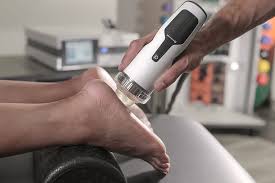
Focused Shockwave Therapy (Short Article)Focused Shockwave Therapy ek advanced non-surgical treatmen...
Read More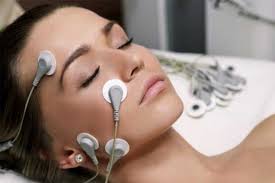
Cord Microcurrent Laser Therapy (Short Article)Cord Microcurrent Laser Therapy ek modern treatment t...
Read More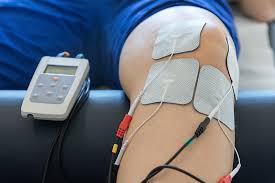
Electrotherapy kya hoti hai? (Short Article)Electrotherapy ek physiotherapy treatment hai jisme halk...
Read More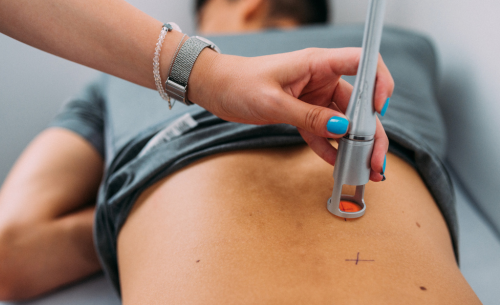
Class 4 Laser Needle Therapy (Short Article)Class 4 Laser Needle Therapy ek advanced treatment techn...
Read More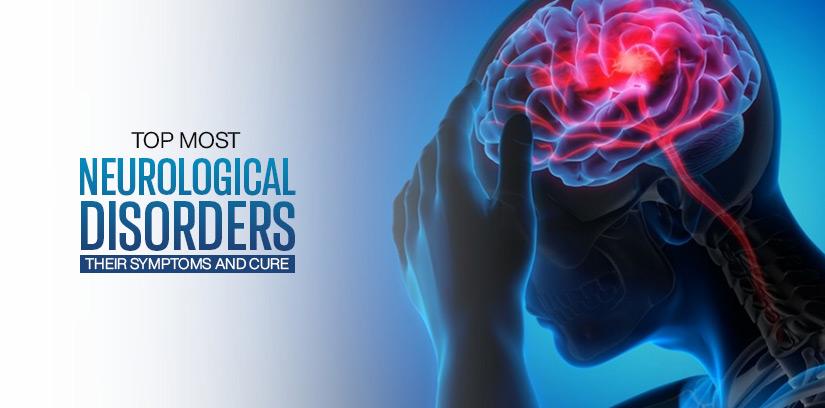
Common Neurological DisordersNeurodegenerative Diseases: Alzheimer’s disease, Parkinson's disea...
Read More