-
Magnum Physiotherapy | Contact No : +91 9998238617
Magnum Physiotherapy | Contact No : +91 9998238617
Distal Muscular Dystrophy (DMDys) refers to a group of genetic muscle diseases that primarily affect the distal muscles of the limbs—those located in the:
Unlike other forms of muscular dystrophy that commonly affect the hips and shoulders first, distal muscular dystrophies begin with weakness in the muscles farther from the trunk.
These disorders occur due to inherited genetic mutations that affect proteins responsible for maintaining healthy muscle structure and function. Over time, muscle fibers progressively degenerate and are replaced by fatty and fibrous tissue, resulting in weakness and muscle wasting.
Several distinct forms of distal muscular dystrophy exist, each with different genetic causes, ages of onset, and rates of progression.
Although there is currently no cure, medical management and physiotherapy can help maximize independence, maintain mobility, and reduce complications.
At Magnum Physiotherapy, our rehabilitation programs focus on preserving strength, preventing contractures, improving balance, and supporting daily function.
Distal muscular dystrophy primarily affects:
As the disease progresses, weakness may spread to more proximal muscle groups.
Several forms have been identified, including:
Numerous rare forms continue to be identified through genetic testing.
Symptoms typically progress slowly over years.
Distal muscular dystrophy is caused by inherited mutations affecting muscle proteins.
Inheritance patterns may include:
The condition is not caused by lifestyle factors or injury.
Some forms may rarely involve:
depending on the subtype.
Diagnosis involves clinical evaluation, neurological assessment, and genetic testing.
Investigations may include:
Genetic testing is the definitive method for identifying specific forms of distal muscular dystrophy.
At Magnum Physiotherapy, we assess:
Although there is no cure, physiotherapy plays a vital role in maintaining function and slowing secondary complications.
Supportive devices may include:
These devices help improve safety, mobility, and independence.
As the condition progresses, complications may include:
Early rehabilitation can help minimize these complications.
Distal muscular dystrophy is a progressive condition, but progression varies significantly depending on the subtype.
Factors affecting prognosis include:
Many individuals remain active and independent for years with appropriate management.
Consult a healthcare professional if you experience:
Early diagnosis can improve long-term management and support planning.
At Magnum Physiotherapy, we specialize in neurological rehabilitation and neuromuscular disorders. Our individualized treatment programs focus on maintaining mobility, preserving independence, improving balance, and supporting long-term function for individuals living with Distal Muscular Dystrophy
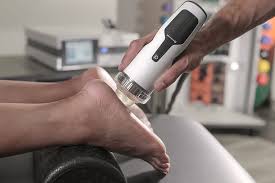
Focused Shockwave Therapy (Short Article)Focused Shockwave Therapy ek advanced non-surgical treatmen...
Read More
Cord Microcurrent Laser Therapy (Short Article)Cord Microcurrent Laser Therapy ek modern treatment t...
Read More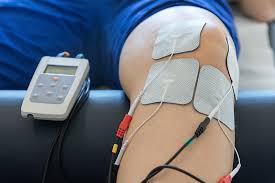
Electrotherapy kya hoti hai? (Short Article)Electrotherapy ek physiotherapy treatment hai jisme halk...
Read More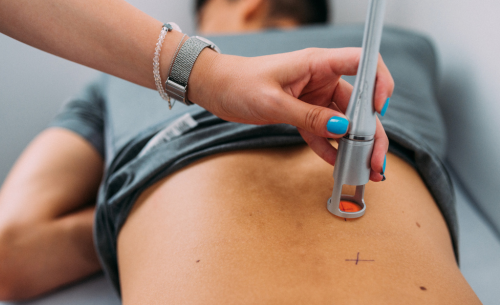
Class 4 Laser Needle Therapy (Short Article)Class 4 Laser Needle Therapy ek advanced treatment techn...
Read More
Common Neurological DisordersNeurodegenerative Diseases: Alzheimer’s disease, Parkinson's disea...
Read More