Logo

Piriformis Syndrome


Piriformis Syndrome occurs when the piriformis muscle becomes tight, inflamed, spasmodic, or dysfunctional, leading to irritation of the nearby sciatic nerve.

The piriformis muscle plays an important role in:

  • Hip external rotation
  • Hip stabilization
  • Pelvic control during walking and running

The sciatic nerve typically passes beneath the piriformis muscle, although anatomical variations may cause it to pass through or around the muscle. When the piriformis becomes irritated or tight, it may compress the sciatic nerve and produce symptoms similar to sciatica.

Piriformis Syndrome is often associated with:

  • Prolonged sitting
  • Repetitive activities
  • Running
  • Trauma to the buttock region
  • Muscle imbalances

Because its symptoms can closely resemble lumbar spine conditions, accurate diagnosis is essential.

At Magnum Physiotherapy, our evidence-based treatment programs focus on reducing muscle tension, improving hip mechanics, restoring mobility, and addressing the underlying causes of nerve irritation.

Anatomy Involved

Piriformis Muscle

The piriformis originates from the:

  • Anterior surface of the sacrum

And inserts onto the:

  • Greater trochanter of the femur

Functions

  • External rotation of the hip
  • Hip stabilization
  • Assists hip abduction when the hip is flexed

Sciatic Nerve

The sciatic nerve is the largest nerve in the body and travels from the lower back through the buttock and down the leg.

Compression or irritation of this nerve may result in radiating symptoms.

Common Symptoms

  • Deep buttock pain
  • Pain while sitting for prolonged periods
  • Pain radiating down the back of the thigh
  • Tingling or numbness in the buttock or leg
  • Increased pain with walking or running
  • Pain climbing stairs
  • Tenderness over the piriformis muscle
  • Reduced hip mobility
  • Difficulty sitting comfortably
  • Symptoms resembling sciatica

Symptoms are often aggravated by prolonged sitting, squatting, or repetitive hip movements.

Causes & Risk Factors

Muscular Causes

  • Piriformis muscle tightness
  • Muscle spasm
  • Overuse injuries
  • Weak hip stabilizers

Biomechanical Causes

  • Pelvic asymmetry
  • Abnormal gait patterns
  • Leg length discrepancies
  • Poor movement mechanics

Traumatic Causes

  • Falls onto the buttocks
  • Direct trauma
  • Sports injuries

Activity-Related Risk Factors

  • Running
  • Cycling
  • Prolonged sitting occupations
  • Repetitive lower limb activities

Conditions Associated with Piriformis Syndrome

  • Sciatica
  • Low Back Pain
  • Sacroiliac Joint Dysfunction
  • Hip Impingement
  • Gluteal Muscle Weakness
  • Pelvic Dysfunction

Diagnosis

Diagnosis is based on a detailed clinical assessment and exclusion of other causes of sciatic nerve pain.

At Magnum Physiotherapy, assessment may include:

  • Medical history review
  • Pain assessment
  • Hip range of motion evaluation
  • Muscle flexibility testing
  • Gait analysis
  • Functional movement assessment
  • Neurological screening

Common Clinical Tests

  • FAIR Test (Flexion, Adduction, Internal Rotation)
  • Piriformis Stretch Test
  • Freiberg Test
  • Pace Sign

Imaging Studies

Imaging may be used to rule out other conditions:

  • MRI scans
  • Ultrasound
  • CT scans

Differential Diagnosis

Conditions that may mimic Piriformis Syndrome include:

  • Lumbar Disc Herniation
  • Lumbar Radiculopathy
  • Spinal Stenosis
  • Sacroiliac Joint Dysfunction
  • Hamstring Tendinopathy
  • Hip Joint Pathology

Accurate diagnosis is essential for effective treatment.

Treatment at Magnum Physiotherapy

Most cases respond well to conservative physiotherapy treatment.

Conservative Management

  • Activity modification
  • Sitting posture correction
  • Ergonomic advice
  • Education regarding symptom triggers

Advanced Physiotherapy Treatments

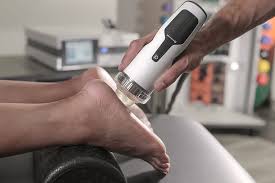
  • Class IV Laser Therapy
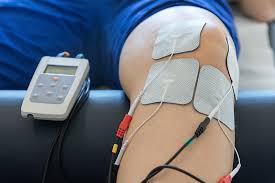
  • TENS Therapy
  • Interferential Therapy (IFT)
  • Therapeutic Ultrasound
  • Dry Needling
  • Soft Tissue Mobilization
  • Myofascial Release

Manual Therapy

  • Piriformis muscle release
  • Hip joint mobilization
  • Pelvic alignment techniques
  • Soft tissue treatment

Rehabilitation Programs

Stretching Exercises

  • Piriformis stretching
  • Hip rotator stretching
  • Hamstring stretching
  • Hip flexor stretching

Strengthening Exercises

  • Gluteus medius strengthening
  • Gluteus maximus strengthening
  • Core stabilization exercises
  • Pelvic stability training

Functional Rehabilitation

  • Gait retraining
  • Balance exercises
  • Running mechanics correction
  • Sport-specific rehabilitation

Home Exercise Programs

Customized exercise plans to maintain flexibility and prevent recurrence.

Benefits of Physiotherapy for Piriformis Syndrome

  • Reduces buttock and leg pain
  • Relieves sciatic nerve irritation
  • Improves hip mobility
  • Restores muscle flexibility
  • Strengthens hip stabilizers
  • Improves posture and movement patterns
  • Enhances athletic performance
  • Prevents recurrence
  • Supports return to daily activities
  • Improves quality of life

Recovery & Prognosis

Recovery depends on:

  • Severity of symptoms
  • Duration of the condition
  • Underlying biomechanical factors
  • Adherence to treatment

Many patients experience significant improvement within several weeks to a few months of consistent rehabilitation.

Prevention Tips

  • Avoid prolonged sitting
  • Stretch regularly
  • Strengthen gluteal and core muscles
  • Maintain proper posture
  • Warm up before exercise
  • Gradually increase training intensity
  • Address hip and pelvic dysfunction early

When Should You Seek Medical Attention?

Consult a healthcare professional if you experience:

  • Persistent buttock pain
  • Leg numbness or tingling
  • Difficulty sitting or walking
  • Symptoms that worsen despite rest
  • Weakness in the leg

Prompt assessment can help identify the cause and prevent symptom progression.

Why Choose Magnum Physiotherapy?

At Magnum Physiotherapy, we specialize in advanced musculoskeletal and neurological rehabilitation. Our individualized treatment programs combine manual therapy, Dry Needling, Laser Therapy, movement correction, and targeted exercise programs to relieve pain, restore function, and prevent recurrence of Piriformis Syndrome.
Our Blog

Chat with us Call us