-
Magnum Physiotherapy | Contact No : +91 9998238617

Magnum Physiotherapy | Contact No : +91 9998238617
Ankylosing Spondylitis (AS) is a form of inflammatory arthritis that mainly affects the spine and the joints connecting the spine to the pelvis, known as the sacroiliac (SI) joints. The condition causes chronic inflammation that can lead to pain, stiffness, and reduced mobility.
Over time, ongoing inflammation may result in the formation of new bone between vertebrae, causing sections of the spine to fuse together. This process, known as ankylosis, can significantly limit spinal movement and affect posture.
AS often begins in early adulthood, typically between the ages of 15 and 40, and is more common in males. Symptoms generally develop gradually and may fluctuate between periods of increased activity (flare-ups) and remission.
Although there is currently no cure for Ankylosing Spondylitis, appropriate medical management and physiotherapy can effectively control symptoms, slow functional decline, and help individuals maintain an active lifestyle.
At Magnum Physiotherapy, our evidence-based rehabilitation programs focus on preserving spinal mobility, improving posture, strengthening supportive muscles, and maximizing long-term function.
The SI joints connect the spine to the pelvis.
These joints are often the first structures affected by AS.
Inflammation commonly affects:
Chronic inflammation may eventually lead to spinal fusion.
Entheses are the sites where tendons and ligaments attach to bone.
Inflammation of these attachment points (enthesitis) is a hallmark feature of AS.
Common locations include:
Some individuals may also develop inflammation in:
Symptoms often worsen with prolonged rest and improve with activity.
The immune system mistakenly attacks healthy tissues, causing chronic inflammation.
A strong association exists with the HLA-B27 gene.
However, not everyone with HLA-B27 develops AS.
Individuals with close relatives who have AS are at increased risk.
Most cases begin during adolescence or early adulthood.
Early diagnosis is important to prevent long-term complications.
At Magnum Physiotherapy, assessment may include:
Blood tests may include:
These markers help identify inflammation.
May reveal:
Often detects inflammation earlier than X-rays and is commonly used for early diagnosis.
Physiotherapy is considered one of the most important components of AS management.
Maintaining spinal mobility is essential.
Focus areas include:
Improves spinal support and stability.
Targets muscles that help maintain upright posture.
Supports overall function and mobility.
Focuses on preventing progressive postural changes such as:
Regular physical activity helps:
Activities may include:
AS may reduce chest expansion due to rib joint involvement.
Specific exercises help:
Depending on patient needs:
A physician or rheumatologist may prescribe:
Ongoing monitoring by a rheumatologist is often necessary for long-term disease management.
Ankylosing Spondylitis is a lifelong condition, but symptoms can often be managed effectively.
Outcomes depend on:
Many individuals maintain active and productive lifestyles with appropriate management
Early intervention can help minimize these complications.
While AS cannot be prevented, symptom management can be optimized by:
Consult a healthcare professional if you experience:
Early diagnosis and treatment can improve long-term outcomes and help preserve mobility.
At Magnum Physiotherapy, we specialize in the treatment of inflammatory and musculoskeletal conditions. Our personalized Ankylosing Spondylitis rehabilitation programs combine evidence-based physiotherapy, mobility exercises, posture correction, strengthening programs, breathing exercises, and functional rehabilitation to help patients maintain mobility, reduce pain, and live active, independent lives.
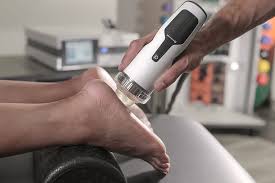
Focused Shockwave Therapy (Short Article)Focused Shockwave Therapy ek advanced non-surgical treatmen...
Read More
Cord Microcurrent Laser Therapy (Short Article)Cord Microcurrent Laser Therapy ek modern treatment t...
Read More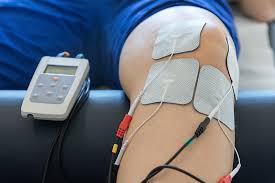
Electrotherapy kya hoti hai? (Short Article)Electrotherapy ek physiotherapy treatment hai jisme halk...
Read More
Class 4 Laser Needle Therapy (Short Article)Class 4 Laser Needle Therapy ek advanced treatment techn...
Read More
Common Neurological DisordersNeurodegenerative Diseases: Alzheimer’s disease, Parkinson's disea...
Read More