-
Magnum Physiotherapy | Contact No : +91 9998238617

Magnum Physiotherapy | Contact No : +91 9998238617
Biceps Tendonitis occurs when the tendon of the long head of the biceps brachii muscle becomes irritated, inflamed, or degenerative due to repetitive stress or injury. The tendon travels through a groove at the front of the shoulder before attaching inside the shoulder joint, making it susceptible to irritation and overload.
Although the term tendonitis suggests inflammation, many chronic cases involve tendon degeneration (tendinopathy) rather than active inflammation.
The condition commonly affects:
Without proper treatment, symptoms can progress and interfere with work, sports, and daily activities.
At Magnum Physiotherapy, our evidence-based treatment programs focus on reducing pain, improving shoulder mechanics, restoring strength, and promoting long-term tendon health.
The biceps muscle has two heads:
Originates inside the shoulder joint and travels through the bicipital groove.
Most commonly affected in Biceps Tendonitis.
Attaches to the shoulder blade and is less frequently involved.
A groove at the front of the humerus that guides the long head of the biceps tendon.
Irritation commonly occurs within this region.
The tendon works closely with:
Problems affecting these structures may contribute to tendon overload.
Symptoms often develop gradually.
Common in activities involving:
Associated conditions include:
Direct injury or sudden overload may contribute to tendon irritation.
At Magnum Physiotherapy, a thorough assessment is performed to identify contributing factors and rule out other shoulder conditions.
Evaluation includes:
Common tests may include:
Assesses irritation of the biceps tendon.
Evaluates tendon stability and pain response.
May identify:
Used when associated shoulder injuries are suspected.
Most cases respond well to conservative physiotherapy treatment
Reducing aggravating activities helps decrease tendon irritation.
May help control pain during acute flare-ups.
Guidance on activity progression and injury prevention.
May include:
These techniques help reduce pain and improve shoulder mobility.
Target:
Improves flexibility and shoulder mechanics.
Focus on:
Improve shoulder stability.
Enhance shoulder blade control.
Gradual strengthening promotes tendon healing and resilience.
Addresses:
For athletes and active individuals:
Depending on patient needs:
If symptoms persist despite conservative treatment:
May include physician-directed anti-inflammatory medications.
Occasionally considered for persistent symptoms.
May be recommended when:
Common procedures include:
Post-surgical rehabilitation is essential for restoring function.
Recovery depends on:
Mild Cases
Moderate Cases
Chronic Cases
Most patients experience significant improvement with appropriate physiotherapy.
Consult a healthcare professional if you experience:
Early intervention can help prevent chronic tendon problems.
At Magnum Physiotherapy, we specialize in shoulder rehabilitation and sports injury management. Our individualized Biceps Tendonitis treatment programs combine evidence-based physiotherapy, manual therapy, strengthening exercises, movement correction, and functional rehabilitation to help patients return to pain-free activity and optimal performance.
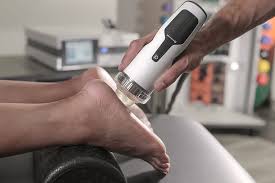
Focused Shockwave Therapy (Short Article)Focused Shockwave Therapy ek advanced non-surgical treatmen...
Read More
Cord Microcurrent Laser Therapy (Short Article)Cord Microcurrent Laser Therapy ek modern treatment t...
Read More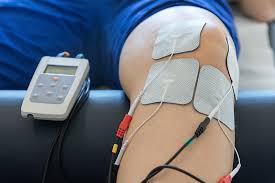
Electrotherapy kya hoti hai? (Short Article)Electrotherapy ek physiotherapy treatment hai jisme halk...
Read More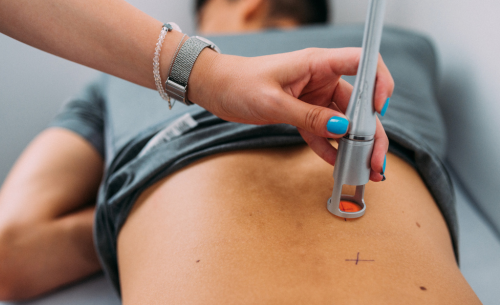
Class 4 Laser Needle Therapy (Short Article)Class 4 Laser Needle Therapy ek advanced treatment techn...
Read More
Common Neurological DisordersNeurodegenerative Diseases: Alzheimer’s disease, Parkinson's disea...
Read More