-
Magnum Physiotherapy | Contact No : +91 9998238617
Magnum Physiotherapy | Contact No : +91 9998238617
Down Syndrome, also known as Trisomy 21, is one of the most common genetic conditions worldwide. It occurs when a person is born with an extra copy of chromosome 21, affecting physical growth, cognitive development, and overall health.
Every individual with Down Syndrome is unique, and the severity of symptoms can vary considerably. Many children and adults with Down Syndrome lead active, fulfilling lives with appropriate medical care, education, therapy, and community support.
Common characteristics may include:
Early intervention and ongoing rehabilitation play an important role in helping individuals achieve their full physical and functional potential.
At Magnum Physiotherapy, our personalized therapy programs focus on motor skill development, strength building, balance training, and promoting lifelong mobility and independence.
Down Syndrome occurs due to an extra chromosome 21.
Down Syndrome affects multiple body systems.
Common findings include:
May contribute to:
Some individuals are born with congenital heart defects.
Increased susceptibility to respiratory infections and sleep-related breathing disorders may occur.
Individuals may have:
Physical appearance varies among individuals.
Children may achieve milestones later than typically developing peers, including:
May affect:
Some individuals may experience challenges with:
Individuals with Down Syndrome may be at increased risk for:
Excessive movement between the first two cervical vertebrae.
Regular medical monitoring is important.
Diagnosis may occur:
Through:
Based on:
At Magnum Physiotherapy, assessments include:
Although Down Syndrome cannot be cured, physiotherapy plays a vital role in promoting physical development and independence.
Early therapy can support:
Focuses on:
Designed to improve:
Includes:
Aims to improve:
Supports:
Promote:
Life expectancy and quality of life for individuals with Down Syndrome have improved significantly due to advances in healthcare and early intervention.
Outcomes are influenced by:
Many individuals attend school, participate in sports, work, and live active, meaningful lives.
Successful management often includes:
A supportive environment plays a key role in maximizing independence and participation.
Consult a physiotherapist if a child with Down Syndrome experiences:
Early intervention can significantly improve physical development and long-term outcomes.
At Magnum Physiotherapy, we specialize in pediatric and developmental rehabilitation. Our individualized physiotherapy programs are designed to support children and adults with Down Syndrome by improving strength, balance, mobility, motor skills, and independence through compassionate, evidence-based care.
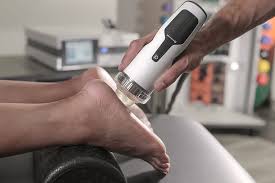
Focused Shockwave Therapy (Short Article)Focused Shockwave Therapy ek advanced non-surgical treatmen...
Read More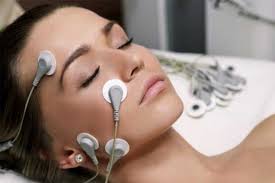
Cord Microcurrent Laser Therapy (Short Article)Cord Microcurrent Laser Therapy ek modern treatment t...
Read More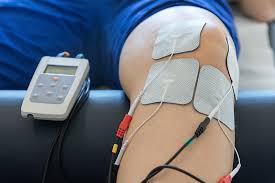
Electrotherapy kya hoti hai? (Short Article)Electrotherapy ek physiotherapy treatment hai jisme halk...
Read More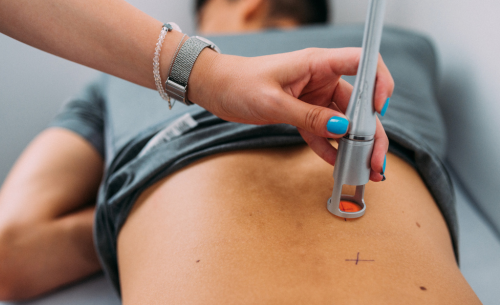
Class 4 Laser Needle Therapy (Short Article)Class 4 Laser Needle Therapy ek advanced treatment techn...
Read More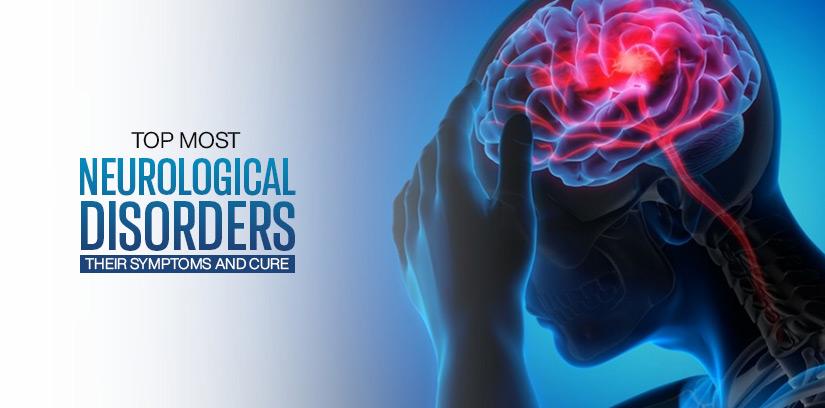
Common Neurological DisordersNeurodegenerative Diseases: Alzheimer’s disease, Parkinson's disea...
Read More