-
Magnum Physiotherapy | Contact No : +91 9998238617

Magnum Physiotherapy | Contact No : +91 9998238617
Pelvic Organ Prolapse (POP) is a common pelvic floor disorder in which the muscles, ligaments, and connective tissues supporting the pelvic organs become weakened or stretched. As a result, organs such as the bladder, uterus, rectum, or small intestine may descend from their normal position and bulge into the vagina.
The pelvic floor acts like a supportive hammock, holding the pelvic organs in place and assisting with bladder, bowel, and sexual function. When this support system weakens, prolapse can occur.
Pelvic Organ Prolapse is more common in women, particularly after pregnancy and childbirth, but it can also develop due to aging, menopause, chronic straining, or previous pelvic surgery.
Although prolapse is not usually life-threatening, it can significantly affect physical comfort, emotional well-being, and daily activities. Many women hesitate to seek treatment due to embarrassment, but early intervention and pelvic floor physiotherapy can effectively manage symptoms and improve function.
At Magnum Physiotherapy, we provide confidential, evidence-based pelvic health services designed to strengthen pelvic support structures, improve muscle function, and reduce prolapse-related symptoms.
The bladder descends into the front wall of the vagina.
The rectum bulges into the back wall of the vagina.
The uterus descends into or through the vagina.
The small intestine protrudes into the vaginal canal.
Occurs after hysterectomy when the top of the vagina loses support.
Mild descent of pelvic organs.
The organ descends near the vaginal opening.
The organ protrudes outside the vaginal opening.
Complete prolapse beyond the vaginal opening.
At Magnum Physiotherapy, a detailed pelvic health assessment is performed to determine the type and severity of prolapse.
The evaluation may include:
Diagnosis may also involve gynecological examination and imaging when required.
Our Pelvic Floor Rehabilitation programs focus on improving support, reducing symptoms, and enhancing function.
Patients may be referred to a specialist for pessary fitting when appropriate.
Surgery may be considered if:
Physiotherapy remains beneficial before and after surgery to optimize outcomes.
At Magnum Physiotherapy, our specialized pelvic health physiotherapists provide compassionate, confidential, and evidence-based care for pelvic floor disorders. We create individualized rehabilitation programs that address the root cause of symptoms and empower patients to regain comfort, confidence, and function. Our goal is to support long-term pelvic health and improve quality of life.
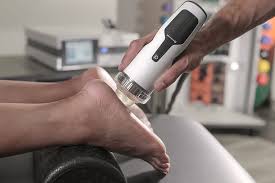
Focused Shockwave Therapy (Short Article)Focused Shockwave Therapy ek advanced non-surgical treatmen...
Read More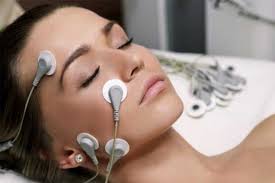
Cord Microcurrent Laser Therapy (Short Article)Cord Microcurrent Laser Therapy ek modern treatment t...
Read More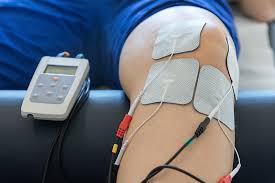
Electrotherapy kya hoti hai? (Short Article)Electrotherapy ek physiotherapy treatment hai jisme halk...
Read More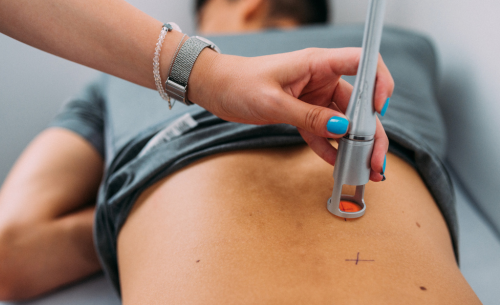
Class 4 Laser Needle Therapy (Short Article)Class 4 Laser Needle Therapy ek advanced treatment techn...
Read More
Common Neurological DisordersNeurodegenerative Diseases: Alzheimer’s disease, Parkinson's disea...
Read More