-
Magnum Physiotherapy | Contact No : +91 9998238617
Magnum Physiotherapy | Contact No : +91 9998238617
Osgood-Schlatter Disease (OSD) is a traction apophysitis of the tibial tuberosity, the bony prominence located just below the kneecap (patella). It occurs when repetitive pulling of the patellar tendon on the developing growth plate causes irritation, inflammation, and pain.
The quadriceps muscles at the front of the thigh attach to the tibial tuberosity through the patellar tendon. During periods of rapid growth, the bones may grow faster than muscles and tendons, increasing tension at the growth plate. Repetitive activities such as running, jumping, kicking, and sprinting can further stress this area and lead to Osgood-Schlatter Disease.
The condition commonly affects children and adolescents between the ages of:
Young athletes participating in sports such as football, basketball, volleyball, athletics, gymnastics, and cricket are at higher risk.
Osgood-Schlatter Disease is generally a self-limiting condition that improves once growth plates close. However, without proper management, symptoms may persist and affect sports participation and daily activities.
At Magnum Physiotherapy, our rehabilitation programs focus on reducing pain, improving flexibility, correcting movement patterns, and enabling a safe return to activity.
At Magnum Physiotherapy, we perform a comprehensive assessment to confirm the diagnosis and identify contributing factors.
The evaluation may include:
X-rays may sometimes show fragmentation or prominence of the tibial tuberosity.
Our treatment programs aim to relieve symptoms, improve flexibility, and restore normal movement patterns.
The prognosis is generally excellent. Most children recover completely once skeletal maturity is reached and growth plates close. Early physiotherapy helps manage symptoms effectively and prevents prolonged discomfort.
At Magnum Physiotherapy, we specialize in pediatric and sports rehabilitation using evidence-based physiotherapy and advanced technologies. Our personalized treatment programs focus on reducing pain, improving flexibility, enhancing performance, and ensuring a safe return to sports. We work closely with young athletes and their families to support long-term musculoskeletal health.
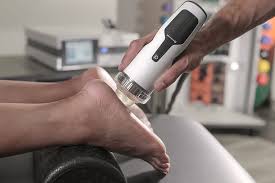
Focused Shockwave Therapy (Short Article)Focused Shockwave Therapy ek advanced non-surgical treatmen...
Read More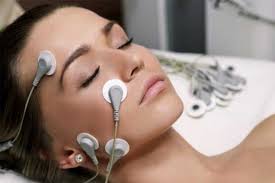
Cord Microcurrent Laser Therapy (Short Article)Cord Microcurrent Laser Therapy ek modern treatment t...
Read More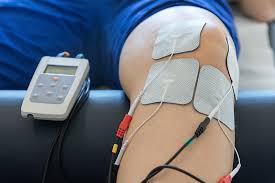
Electrotherapy kya hoti hai? (Short Article)Electrotherapy ek physiotherapy treatment hai jisme halk...
Read More
Class 4 Laser Needle Therapy (Short Article)Class 4 Laser Needle Therapy ek advanced treatment techn...
Read More
Common Neurological DisordersNeurodegenerative Diseases: Alzheimer’s disease, Parkinson's disea...
Read More