-
Magnum Physiotherapy | Contact No : +91 9998238617
Magnum Physiotherapy | Contact No : +91 9998238617
Asthma is a chronic inflammatory disease of the airways in which the bronchial tubes become inflamed, swollen, and overly sensitive to various triggers. When exposed to these triggers, the muscles surrounding the airways may tighten (bronchospasm), the airway lining may swell, and excess mucus may be produced, leading to breathing difficulties.
Asthma affects people of all ages and can vary significantly in severity. Some individuals experience occasional symptoms, while others may have persistent breathing difficulties that interfere with daily activities, exercise, work, or sleep.
Although asthma cannot currently be cured, appropriate medical management, trigger control, and rehabilitation strategies can help individuals effectively manage symptoms and maintain an active lifestyle.
At Magnum Physiotherapy, our respiratory rehabilitation programs focus on breathing control, physical conditioning, airway clearance techniques when necessary, and education to improve overall respiratory health.
The lungs facilitate oxygen exchange and carbon dioxide removal.
Asthma primarily affects the airways, leading to reversible airflow obstruction.
Triggered by allergens such as:
Triggered by factors such as:
Symptoms occur during or after physical activity.
Caused by workplace exposures such as:
A more difficult-to-control form requiring specialized medical management.
Symptoms may vary from day to day and can worsen during asthma attacks.
During an asthma flare-up or attack, symptoms may include:
Severe asthma attacks require immediate medical attention.
Diagnosis is based on symptom history, physical examination, and lung function testing.
Investigations may include:
At Magnum Physiotherapy, we assess:
Asthma is commonly managed with medications prescribed by a physician.
Provide rapid symptom relief:
Help reduce airway inflammation:
Medication adherence is essential for effective asthma control.
Physiotherapy can complement medical management by improving breathing mechanics and physical conditioning.
For individuals with excessive mucus production:
Regular exercise can improve fitness and reduce symptom burden when appropriately managed.
Patients are taught:
Seek immediate medical attention if you experience:
These symptoms may indicate a severe asthma attack.
Asthma is a long-term condition, but most individuals can achieve excellent symptom control with:
Many people with asthma participate fully in sports, work, and daily activities.
At Magnum Physiotherapy, we provide evidence-based respiratory rehabilitation programs tailored to individuals with asthma. Our team focuses on breathing retraining, exercise conditioning, respiratory muscle strengthening, and education to help patients improve lung function, maintain an active lifestyle, and achieve better asthma control.
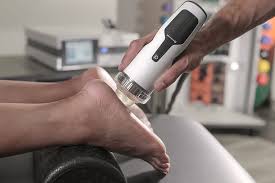
Focused Shockwave Therapy (Short Article)Focused Shockwave Therapy ek advanced non-surgical treatmen...
Read More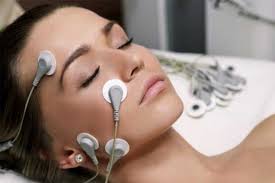
Cord Microcurrent Laser Therapy (Short Article)Cord Microcurrent Laser Therapy ek modern treatment t...
Read More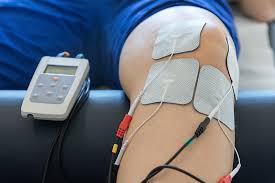
Electrotherapy kya hoti hai? (Short Article)Electrotherapy ek physiotherapy treatment hai jisme halk...
Read More
Class 4 Laser Needle Therapy (Short Article)Class 4 Laser Needle Therapy ek advanced treatment techn...
Read More
Common Neurological DisordersNeurodegenerative Diseases: Alzheimer’s disease, Parkinson's disea...
Read More