-
Magnum Physiotherapy | Contact No : +91 9998238617
Magnum Physiotherapy | Contact No : +91 9998238617
Genu Varum is a lower limb deformity characterized by an outward angulation of the legs at the knee joint. When a person stands with their feet and ankles together, there is a noticeable gap between the knees, giving the legs a bowed appearance.
A certain degree of bowing is normal in infants and toddlers as part of physiological growth and development. In most children, the alignment gradually corrects naturally by the age of 2–3 years. However, persistent, worsening, or asymmetrical bowing may indicate an underlying condition that requires medical evaluation and treatment.
In adults, genu varum may develop due to osteoarthritis, previous fractures, ligament injuries, or abnormal loading of the knee joint. Bow-legged alignment alters the distribution of forces across the knee, placing increased stress on the inner (medial) compartment of the joint and potentially accelerating cartilage wear.
If left untreated, genu varum may lead to:
At Magnum Physiotherapy, our comprehensive rehabilitation programs focus on correcting movement dysfunctions, improving muscle balance, enhancing stability, and promoting optimal lower limb biomechanics.
A normal developmental stage in young children that often resolves naturally.
Persistent or progressive bowing caused by underlying medical or structural abnormalities.
Affects only one leg.
Affects both legs.
At Magnum Physiotherapy, we perform a detailed biomechanical and functional assessment to evaluate the severity and underlying cause of genu varum.
The evaluation may include:
This comprehensive assessment helps guide an individualized rehabilitation program.
Treatment depends on age, severity, symptoms, and the underlying cause.
Surgical intervention may be considered when:
Physiotherapy remains essential before and after surgery to optimize recovery and function.
At Magnum Physiotherapy, we specialize in pediatric and orthopedic rehabilitation using advanced technologies and evidence-based treatment protocols. Our personalized treatment programs are designed to improve alignment, strengthen muscles, restore mobility, and enhance long-term joint health. We are committed to helping patients achieve optimal movement and an active lifestyle.
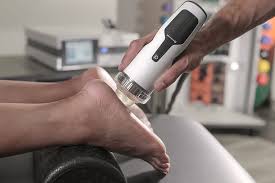
Focused Shockwave Therapy (Short Article)Focused Shockwave Therapy ek advanced non-surgical treatmen...
Read More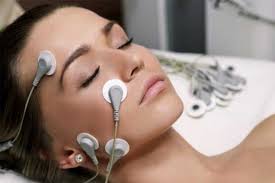
Cord Microcurrent Laser Therapy (Short Article)Cord Microcurrent Laser Therapy ek modern treatment t...
Read More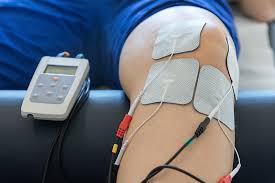
Electrotherapy kya hoti hai? (Short Article)Electrotherapy ek physiotherapy treatment hai jisme halk...
Read More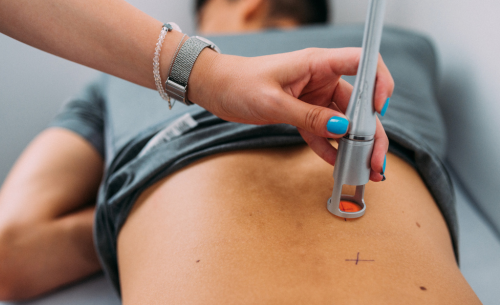
Class 4 Laser Needle Therapy (Short Article)Class 4 Laser Needle Therapy ek advanced treatment techn...
Read More
Common Neurological DisordersNeurodegenerative Diseases: Alzheimer’s disease, Parkinson's disea...
Read More