-
Magnum Physiotherapy | Contact No : +91 9998238617
Magnum Physiotherapy | Contact No : +91 9998238617
A Laminectomy is a spinal decompression surgery in which the lamina—the bony arch forming the back portion of a vertebra—is partially or completely removed to create more space within the spinal canal.
The spinal canal houses:
When this space becomes narrowed, it can compress neural structures, causing symptoms such as:
By removing the lamina, the surgeon reduces pressure on the nerves and spinal cord, helping to relieve symptoms and improve function.
Laminectomy is most commonly performed in the:
Depending on the condition, laminectomy may be combined with:
At Magnum Physiotherapy, our post-surgical rehabilitation programs focus on restoring movement, improving strength, and supporting a safe return to daily activities.
The lamina protects the spinal cord and forms part of the spinal canal.
Laminectomy may be recommended when conservative treatment fails and symptoms significantly affect daily life.
Common indications include:
Emergency surgery may be required in conditions such as:
Symptoms vary depending on the spinal level involved.
Performed in the lower back to relieve nerve compression.
Performed in the neck to decompress the spinal cord or nerve roots.
Removal of only one side of the lamina.
Removal of a small portion of the lamina while preserving more bone.
Although techniques vary, surgery generally involves:
Some procedures use minimally invasive techniques.
As with any surgery, risks may include:
Most patients experience significant symptom improvement following surgery.
Physiotherapy plays a vital role in optimizing recovery after laminectomy.
Goals:
Interventions:
Goals:
Interventions:
Goals:
Interventions:
Depending on recovery stage and clinical needs, treatment may include:
Recovery varies depending on:
Many patients resume light activities within a few weeks, while full recovery may take 6–12 weeks or longer.
At Magnum Physiotherapy, we specialize in spine rehabilitation and post-surgical recovery using evidence-based physiotherapy and advanced technologies. Our individualized rehabilitation programs focus on restoring mobility, improving strength, and helping patients safely return to work, recreation, and daily activities.
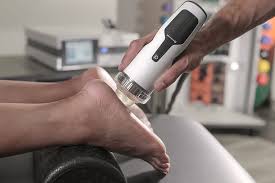
Focused Shockwave Therapy (Short Article)Focused Shockwave Therapy ek advanced non-surgical treatmen...
Read More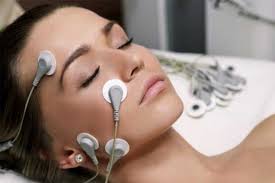
Cord Microcurrent Laser Therapy (Short Article)Cord Microcurrent Laser Therapy ek modern treatment t...
Read More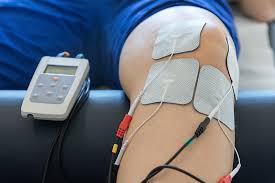
Electrotherapy kya hoti hai? (Short Article)Electrotherapy ek physiotherapy treatment hai jisme halk...
Read More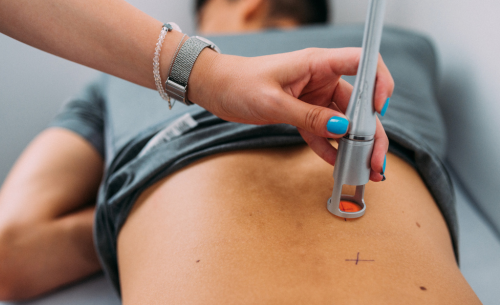
Class 4 Laser Needle Therapy (Short Article)Class 4 Laser Needle Therapy ek advanced treatment techn...
Read More
Common Neurological DisordersNeurodegenerative Diseases: Alzheimer’s disease, Parkinson's disea...
Read More