Logo

Spinal Stenosis


Spinal Stenosis refers to the abnormal narrowing of spaces within the spine, which can place pressure on the spinal cord and nerve roots. This narrowing typically develops gradually due to age-related degenerative changes but may also result from congenital conditions, trauma, or other spinal disorders.

The spine consists of:

  • Vertebrae
  • Intervertebral discs
  • Facet joints
  • Ligaments
  • Spinal cord
  • Nerve roots

As these structures undergo degeneration, the available space for neural tissues may decrease, leading to nerve compression and associated symptoms.

Spinal Stenosis most commonly affects:

  • Lumbar Spine (Lower Back) – causing leg pain and walking difficulties
  • Cervical Spine (Neck) – causing arm symptoms, balance issues, and potential spinal cord compression

Early diagnosis and appropriate management can help reduce symptoms and maintain functional independence.

At Magnum Physiotherapy, our evidence-based rehabilitation programs focus on improving mobility, strengthening supportive muscles, reducing pain, and helping patients remain active.

Types of Spinal Stenosis

Lumbar Spinal Stenosis

The most common form, affecting the lower back.

Symptoms often include:

  • Lower back pain
  • Leg pain
  • Numbness
  • Neurogenic claudication

Cervical Spinal Stenosis

Affects the neck and may compress the spinal cord.

Symptoms may include:

  • Neck pain
  • Arm pain
  • Hand weakness
  • Balance problems
  • Coordination difficulties

Thoracic Spinal Stenosis

Less common and affects the mid-back region.

Central Canal Stenosis

Narrowing of the main spinal canal.

Foraminal Stenosis

Narrowing of the openings where nerve roots exit the spine.

Anatomy Involved

Bony Structures

  • Vertebrae
  • Facet joints

Soft Tissue Structures

  • Intervertebral discs
  • Ligaments (especially ligamentum flavum)

Neural Structures

  • Spinal cord
  • Nerve roots

Degenerative changes in any of these structures can contribute to spinal narrowing.

Common Symptoms

Lumbar Spinal Stenosis

  • Lower back pain
  • Leg pain
  • Tingling or numbness
  • Weakness in the legs
  • Difficulty walking long distances
  • Symptoms relieved by sitting or bending forward
  • Neurogenic claudication

Cervical Spinal Stenosis

  • Neck pain
  • Arm pain
  • Hand numbness
  • Hand weakness
  • Balance difficulties
  • Coordination problems
  • Gait disturbances

Symptoms often worsen gradually over time.

Causes & Risk Factors

Degenerative Causes

  • Osteoarthritis
  • Disc degeneration
  • Bone spur formation (osteophytes)
  • Thickened ligaments

Congenital Causes

  • Naturally narrow spinal canal

Other Causes

  • Herniated discs
  • Spinal trauma
  • Spondylolisthesis
  • Tumors
  • Previous spinal surgery

Risk Factors

  • Aging
  • Repetitive spinal loading
  • Obesity
  • Family history
  • Previous spinal injuries

Conditions Associated with Spinal Stenosis

  • Degenerative Disc Disease
  • Spondylolisthesis
  • Osteoarthritis
  • Herniated Disc
  • Cervical Myelopathy
  • Sciatica
  • Radiculopathy

Diagnosis

At Magnum Physiotherapy, we perform a comprehensive assessment to evaluate symptoms, mobility, strength, and function.

Evaluation may include:

  • Detailed medical history
  • Pain assessment
  • Postural analysis
  • Neurological examination
  • Strength testing
  • Mobility assessment
  • Functional movement analysis

Imaging Studies

  • MRI scans (gold standard)
  • CT scans
  • X-rays

These investigations help identify the location and severity of stenosis.

Differential Diagnosis

Conditions that may mimic Spinal Stenosis include:

  • Herniated Disc
  • Peripheral Neuropathy
  • Hip Osteoarthritis
  • Vascular Claudication
  • Sciatica
  • Multiple Sclerosis

Accurate diagnosis is essential for effective treatment planning.

Treatment at Magnum Physiotherapy

Most cases can be managed conservatively through physiotherapy and lifestyle modifications.

Conservative Management

  • Activity modification
  • Weight management guidance
  • Postural correction
  • Education on spine protection

Advanced Physiotherapy Treatments

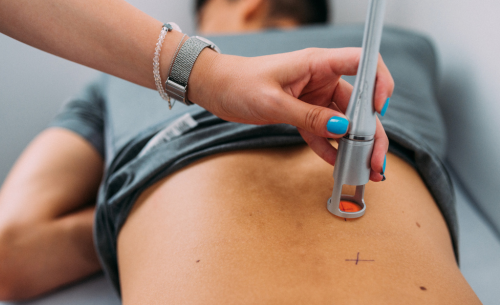
  • Class IV Laser Therapy
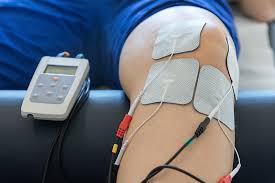
  • TENS Therapy
  • Interferential Therapy (IFT)
  • Therapeutic Ultrasound
  • Soft Tissue Mobilization

Rehabilitation Programs

Mobility Exercises

  • Lumbar flexion exercises
  • Spinal mobility exercises
  • Hip mobility exercises

Strengthening Exercises

  • Core stabilization exercises
  • Gluteal strengthening
  • Lower limb strengthening
  • Postural strengthening

Functional Rehabilitation

  • Walking programs
  • Balance training
  • Gait retraining
  • Endurance training

Home Exercise Programs

Customized exercises to improve mobility and function.

Benefits of Physiotherapy for Spinal Stenosis

  • Reduces pain and stiffness
  • Improves walking tolerance
  • Enhances spinal mobility
  • Strengthens supportive muscles
  • Improves posture
  • Increases balance and stability
  • Reduces fall risk
  • Improves daily function
  • Supports long-term spine health
  • Enhances quality of life

When Is Surgery Needed?

Surgery may be considered when:

  • Conservative treatment fails
  • Significant neurological deficits develop
  • Walking becomes severely limited
  • Spinal cord compression progresses

Common surgical procedures include:

  • Laminectomy
  • Laminotomy
  • Spinal Fusion
  • Decompression Surgery

Post-surgical physiotherapy is important for optimal recovery.

Recovery & Prognosis

Recovery depends on:

  • Severity of stenosis
  • Duration of symptoms
  • Overall health
  • Adherence to rehabilitation

Many individuals successfully manage symptoms with physiotherapy and lifestyle modifications.

Prevention Tips

  • Maintain a healthy body weight
  • Stay physically active
  • Strengthen core muscles
  • Practice good posture
  • Use proper lifting techniques
  • Address back and neck pain early

Why Choose Magnum Physiotherapy?

At Magnum Physiotherapy, we specialize in comprehensive spine rehabilitation using evidence-based physiotherapy and advanced treatment techniques. Our individualized programs focus on reducing pain, improving mobility, restoring function, and helping patients maintain active, independent lifestyles
Our Blog

Chat with us Call us