-
Magnum Physiotherapy | Contact No : +91 9998238617
Magnum Physiotherapy | Contact No : +91 9998238617
Infantile Hemiparesis, also known as Pediatric Hemiparesis, refers to weakness affecting one side of the body, including the arm, leg, and sometimes facial muscles. The condition is most commonly associated with Hemiplegic Cerebral Palsy, although it may also occur due to stroke, brain injury, infections, or developmental abnormalities in infancy.
The term "hemi" means one side, while "paresis" refers to weakness. Children with infantile hemiparesis often have reduced muscle strength, impaired coordination, altered muscle tone, and difficulty performing age-appropriate activities.
The affected side may demonstrate:
Symptoms may become more noticeable as the child grows and begins reaching developmental milestones such as rolling, crawling, standing, and walking.
Early intervention is crucial because the developing brain has significant neuroplasticity—the ability to reorganize and form new connections. Timely physiotherapy can maximize functional outcomes and promote independence.
At Magnum Physiotherapy, our pediatric neurorehabilitation team develops individualized treatment programs to enhance movement quality, encourage normal motor development, and improve participation in daily activities.
At Magnum Physiotherapy, we conduct a comprehensive developmental and functional assessment to determine the child's strengths and rehabilitation needs.
The evaluation may include:
This detailed evaluation helps create a personalized rehabilitation plan.
Our treatment approach focuses on promoting motor development, improving function, and maximizing independence.
The long-term outlook depends on:
With early physiotherapy and multidisciplinary care, many children achieve significant improvements in mobility, function, and independence.
At Magnum Physiotherapy, our pediatric neurorehabilitation specialists provide evidence-based, child-centered care tailored to each child's unique needs. Using advanced rehabilitation techniques and family-focused strategies, we help children develop essential motor skills, improve independence, and achieve their fullest potential.
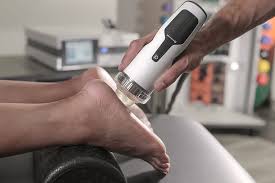
Focused Shockwave Therapy (Short Article)Focused Shockwave Therapy ek advanced non-surgical treatmen...
Read More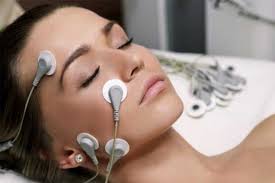
Cord Microcurrent Laser Therapy (Short Article)Cord Microcurrent Laser Therapy ek modern treatment t...
Read More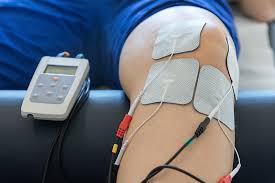
Electrotherapy kya hoti hai? (Short Article)Electrotherapy ek physiotherapy treatment hai jisme halk...
Read More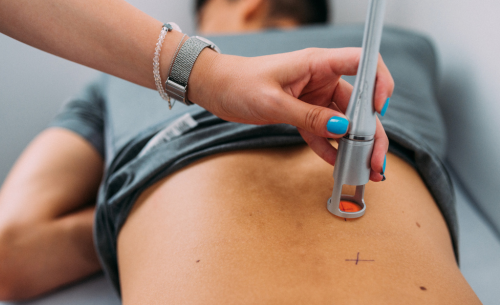
Class 4 Laser Needle Therapy (Short Article)Class 4 Laser Needle Therapy ek advanced treatment techn...
Read More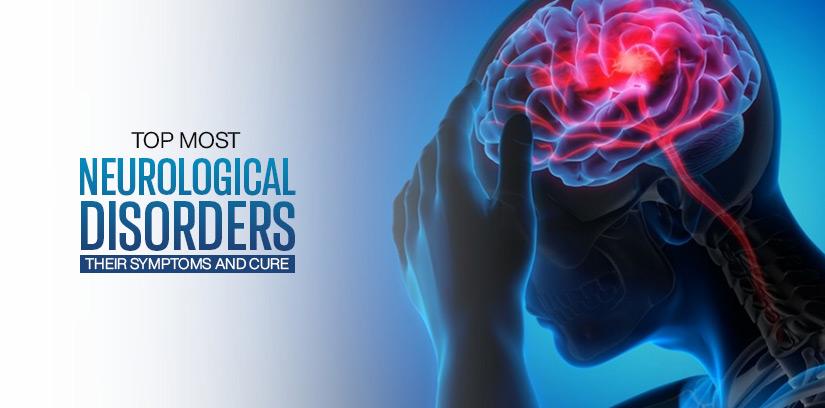
Common Neurological DisordersNeurodegenerative Diseases: Alzheimer’s disease, Parkinson's disea...
Read More