-
Magnum Physiotherapy | Contact No : +91 9998238617

Magnum Physiotherapy | Contact No : +91 9998238617
Radial Tunnel Syndrome (RTS) is a nerve compression disorder that occurs when the posterior interosseous nerve (PIN), a branch of the radial nerve, becomes compressed within the radial tunnel—a narrow anatomical pathway located on the outer side of the elbow and upper forearm.
Unlike Tennis Elbow (Lateral Epicondylitis), which primarily affects the tendons of the forearm, Radial Tunnel Syndrome involves nerve irritation. Because the symptoms can be similar, the condition is often misdiagnosed or overlooked.
The radial nerve controls muscles that extend the wrist and fingers and provides sensory input to parts of the arm and hand. Compression of this nerve can lead to persistent pain, weakness, and difficulty performing repetitive arm movements.
At Magnum Physiotherapy, our evidence-based rehabilitation programs focus on relieving nerve compression, improving upper limb mechanics, restoring strength, and preventing recurrence.
The radial nerve originates from the brachial plexus and travels down the arm into the forearm.
A deep branch of the radial nerve.
This nerve is commonly involved in Radial Tunnel Syndrome.
A narrow passage extending from the outer elbow into the forearm.
Several structures within the tunnel can contribute to nerve compression.
A forearm muscle that rotates the palm upward.
The nerve often becomes compressed as it passes through this muscle.
Unlike some nerve compression conditions, numbness and tingling are often minimal or absent.
Common activities include:
Increased risk is associated with:
Direct injury to the elbow or forearm may contribute to nerve irritation.
Potential compression sites include:
Accurate diagnosis is important because symptoms can mimic other elbow conditions.
At Magnum Physiotherapy, evaluation includes:
May reproduce symptoms when pressure is applied over the radial tunnel.
Can provoke pain associated with radial nerve irritation.
May reproduce symptoms by increasing pressure within the radial tunnel.
May be used to assess nerve function, although results are often normal in Radial Tunnel Syndrome.
May assist in ruling out other nerve disorders.
Useful when structural causes are suspected.
Most patients respond well to conservative physiotherapy treatment.
Reducing aggravating activities helps decrease nerve irritation.
Examples include:
Specialized exercises help:
Target:
Stretching helps reduce compression around the nerve.
Focus on:
Improving overall upper limb mechanics reduces stress on the nerve.
May include:
These treatments help reduce tissue restrictions and improve mobility.
Addresses contributing factors such as:
Depending on individual needs:
If symptoms persist despite conservative care:
May include physician-directed anti-inflammatory medications.
Occasionally considered in selected cases.
May be recommended when:
Surgery aims to release structures compressing the radial nerve.
Post-surgical physiotherapy is important for restoring strength and function.
Recovery depends on:
Mild Cases
Moderate Cases
Chronic Cases
Most patients improve significantly with appropriate conservative treatment.
Consult a healthcare professional if you experience:
Early treatment can improve recovery and prevent long-term complications.
At Magnum Physiotherapy, we specialize in nerve entrapment and upper extremity rehabilitation. Our individualized Radial Tunnel Syndrome treatment programs combine evidence-based physiotherapy, nerve mobilization, strengthening exercises, ergonomic education, and functional rehabilitation to help patients recover safely and return to pain-free activity.
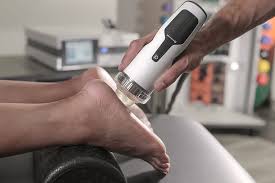
Focused Shockwave Therapy (Short Article)Focused Shockwave Therapy ek advanced non-surgical treatmen...
Read More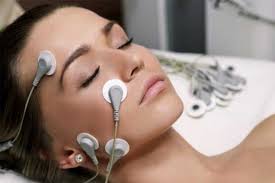
Cord Microcurrent Laser Therapy (Short Article)Cord Microcurrent Laser Therapy ek modern treatment t...
Read More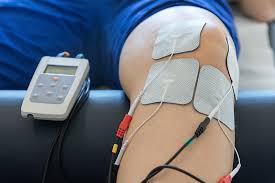
Electrotherapy kya hoti hai? (Short Article)Electrotherapy ek physiotherapy treatment hai jisme halk...
Read More
Class 4 Laser Needle Therapy (Short Article)Class 4 Laser Needle Therapy ek advanced treatment techn...
Read More
Common Neurological DisordersNeurodegenerative Diseases: Alzheimer’s disease, Parkinson's disea...
Read More