Logo

Galeazzi Fracture


A Galeazzi Fracture is a complex injury involving:

  • A fracture of the radius (the larger forearm bone on the thumb side)
  • Dislocation or disruption of the Distal Radioulnar Joint (DRUJ)

This injury is commonly referred to as the "fracture of necessity" because adult cases frequently require surgical fixation for optimal healing and joint stability.

The radius and ulna work together to allow:

  • Forearm rotation (pronation and supination)
  • Wrist stability
  • Hand function

When the radius fractures and the DRUJ becomes unstable, normal forearm mechanics are disrupted, leading to pain, deformity, and loss of function.

Galeazzi fractures occur more commonly in:

  • Young adults after high-energy trauma
  • Older adults after falls
  • Athletes involved in contact sports

Early diagnosis and appropriate treatment are essential to prevent long-term complications such as chronic instability, reduced motion, and arthritis.

At Magnum Physiotherapy, our rehabilitation programs focus on restoring mobility, strength, and function following fracture healing or surgery.

Anatomy Involved

Bones

  • Radius
  • Ulna

Joint

  • Distal Radioulnar Joint (DRUJ)

Soft Tissue Structures

  • Triangular Fibrocartilage Complex (TFCC)
  • Interosseous membrane
  • Ligaments of the wrist and forearm
  • Forearm muscles and tendons

The TFCC plays an important role in stabilizing the DRUJ and may be injured in Galeazzi fractures.

Causes & Risk Factors

Common Causes

  • Fall onto an outstretched hand (FOOSH)
  • Motor vehicle accidents
  • Sports injuries
  • Direct trauma to the forearm

Risk Factors

  • Contact sports participation
  • Osteoporosis
  • High-energy trauma
  • Previous forearm injuries

Common Symptoms

  • Severe forearm pain
  • Wrist pain near the DRUJ
  • Swelling and bruising
  • Visible deformity
  • Difficulty moving the wrist
  • Pain during forearm rotation
  • Reduced grip strength
  • Tenderness over the radius
  • Instability of the wrist joint
  • Inability to bear weight through the hand

Classification of Galeazzi Fracture

Adult Galeazzi Fracture

Often unstable and usually treated surgically.

Pediatric Galeazzi Fracture

Children may sometimes be treated conservatively depending on fracture alignment and stability.

Diagnosis

Prompt diagnosis is essential to prevent long-term dysfunction.

At Magnum Physiotherapy, rehabilitation begins after orthopedic assessment and medical stabilization.

Investigations may include:

  • Detailed medical history
  • Physical examination
  • Neurovascular assessment
  • X-rays of the forearm and wrist
  • CT scans when necessary

X-rays help identify:

  • Radius fracture location
  • DRUJ dislocation or instability
  • Associated injuries

Treatment

Initial Management

  • Immobilization with splint or cast
  • Pain management
  • Elevation to reduce swelling

Surgical Management

Adults commonly require:

  • Open Reduction and Internal Fixation (ORIF) of the radius
  • Stabilization of the DRUJ if necessary

Children may be managed with casting if the fracture is stable.

Rehabilitation at Magnum Physiotherapy

Physiotherapy begins after fracture healing or surgeon clearance.

Early Phase Rehabilitation

Goals:

  • Control pain and swelling
  • Protect healing tissues
  • Restore gentle movement

Interventions:

  • Edema management
  • Finger mobility exercises
  • Gentle wrist and elbow range of motion exercises
  • Scar management (post-surgery)

Intermediate Phase Rehabilitation

Goals:

  • Improve mobility
  • Restore strength

Interventions:

  • Wrist range of motion exercises
  • Forearm pronation and supination exercises
  • Grip strengthening
  • Isometric strengthening

Advanced Phase Rehabilitation

Goals:

  • Restore function
  • Return to work and sports

Interventions:

  • Progressive resistance exercises
  • Functional hand training
  • Dexterity exercises
  • Proprioceptive training
  • Occupational or sports-specific rehabilitation

Advanced Physiotherapy Treatments

Depending on healing stage and medical clearance, treatment may include:

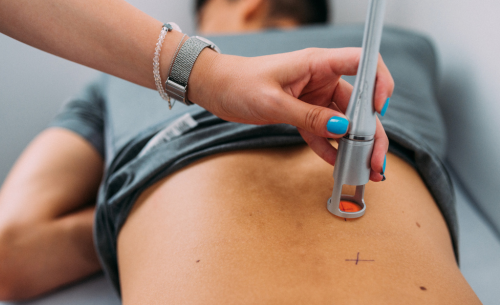
  • Class IV Laser Therapy
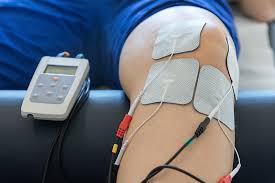
  • TENS Therapy
  • Interferential Therapy (IFT)
  • Therapeutic Ultrasound
  • Electrical Muscle Stimulation (EMS)
  • Soft Tissue Mobilization

Benefits of Physiotherapy for Galeazzi Fracture

  • Reduces pain and swelling
  • Restores wrist and forearm mobility
  • Improves grip strength
  • Enhances forearm rotation
  • Prevents stiffness and contractures
  • Improves joint stability
  • Supports post-surgical recovery
  • Facilitates return to work
  • Restores hand function
  • Improves quality of life

Potential Complications

Without appropriate treatment, complications may include:

  • DRUJ instability
  • Malunion or nonunion
  • Reduced forearm rotation
  • Chronic wrist pain
  • Nerve injury
  • Post-traumatic arthritis
  • Weak grip strength

Early rehabilitation helps minimize these complications.

Recovery & Prognosis

Recovery depends on:

  • Severity of the fracture
  • DRUJ involvement
  • Surgical management
  • Patient age and health
  • Compliance with rehabilitation

Most patients achieve good outcomes with appropriate treatment and physiotherapy, though full recovery may take several months.

Prevention Tips

  • Use protective equipment during sports
  • Improve balance to reduce falls
  • Maintain bone health with adequate calcium and vitamin D
  • Perform strength and balance exercises
  • Address osteoporosis when present

Why Choose Magnum Physiotherapy?

At Magnum Physiotherapy, we specialize in upper limb and post-fracture rehabilitation using evidence-based physiotherapy and advanced technologies. Our personalized treatment programs combine manual therapy, strengthening exercises, mobility training, and functional rehabilitation to optimize recovery and restore independence.
Our Blog

Chat with us Call us