-
Magnum Physiotherapy | Contact No : +91 9998238617
Magnum Physiotherapy | Contact No : +91 9998238617
Motor Neuron Disease (MND) is a group of progressive neurodegenerative disorders that affect the motor neurons—specialized nerve cells in the brain and spinal cord responsible for transmitting signals to muscles. As these neurons gradually degenerate and die, muscles become weak, stiff, and eventually lose function.
The disease affects voluntary movements such as walking, speaking, swallowing, breathing, and hand function. Sensation, vision, hearing, and bladder function are typically preserved in most forms of MND.
One of the most common forms of MND is Amyotrophic Lateral Sclerosis (ALS), also known as Lou Gehrig’s Disease. Other forms include Progressive Muscular Atrophy (PMA), Primary Lateral Sclerosis (PLS), and Progressive Bulbar Palsy (PBP).
The progression of MND varies significantly between individuals. Some people experience slow progression over many years, while others may have a more rapid decline in function.
Although there is currently no cure for MND, early rehabilitation and multidisciplinary management can help maintain independence, manage symptoms, and improve overall quality of life.
At Magnum Physiotherapy, we provide comprehensive neurorehabilitation programs tailored to each patient's stage of disease and functional goals.
The exact cause of MND remains unknown in most cases.
Possible risk factors include:
Most cases are sporadic, while approximately 5–10% are inherited.
The most common form, affecting both upper and lower motor neurons.
Primarily affects upper motor neurons, causing stiffness and spasticity.
Primarily affects lower motor neurons, causing muscle wasting and weakness.
Primarily affects speech and swallowing muscles.
MND is diagnosed through clinical evaluation and specialized neurological investigations.
Diagnostic tests may include:
At Magnum Physiotherapy, we perform a detailed functional assessment to determine mobility limitations, strength, balance, and rehabilitation needs.
Our neurorehabilitation programs aim to maximize function, preserve independence, and manage symptoms safely.
As MND progresses, rehabilitation goals may shift from improving function to maintaining comfort and independence.
A multidisciplinary team may include:
Regular reassessment ensures that treatment strategies adapt to changing needs.
At Magnum Physiotherapy, we specialize in neurological rehabilitation using evidence-based approaches tailored to each patient's condition and goals. Our compassionate, patient-centered care focuses on preserving mobility, maximizing independence, and enhancing quality of life throughout every stage of Motor Neuron Disease. We work closely with patients and caregivers to provide comprehensive support and individualized rehabilitation plans.
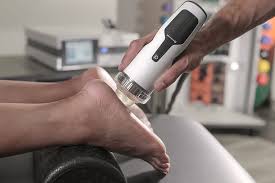
Focused Shockwave Therapy (Short Article)Focused Shockwave Therapy ek advanced non-surgical treatmen...
Read More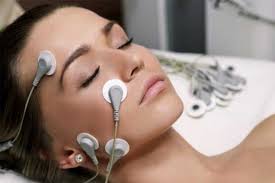
Cord Microcurrent Laser Therapy (Short Article)Cord Microcurrent Laser Therapy ek modern treatment t...
Read More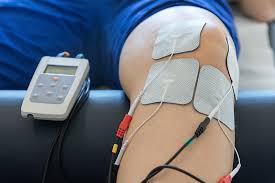
Electrotherapy kya hoti hai? (Short Article)Electrotherapy ek physiotherapy treatment hai jisme halk...
Read More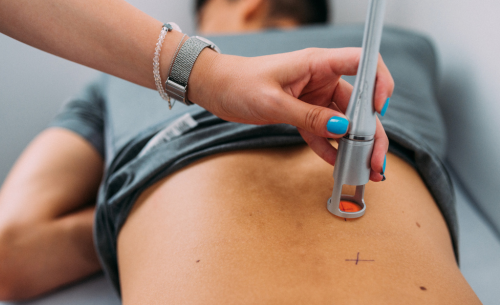
Class 4 Laser Needle Therapy (Short Article)Class 4 Laser Needle Therapy ek advanced treatment techn...
Read More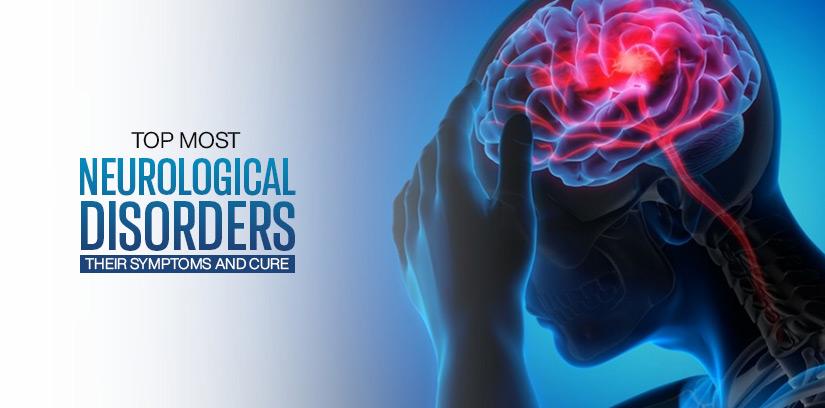
Common Neurological DisordersNeurodegenerative Diseases: Alzheimer’s disease, Parkinson's disea...
Read More