Logo

Tailbone Pain (Coccydynia)


Coccydynia refers to pain and tenderness in the coccyx, which is located at the very end of the vertebral column. The coccyx serves as an attachment site for various muscles, ligaments, and pelvic floor structures that contribute to posture, sitting balance, and pelvic stability.

Tailbone pain can develop following:

  • Falls directly onto the buttocks
  • Repetitive sitting pressure
  • Childbirth
  • Degenerative joint changes
  • Poor sitting posture
  • Trauma or injury

The pain may be localized to the tailbone or radiate into the buttocks, lower back, or pelvic region.

Although many cases improve with conservative treatment, persistent symptoms can significantly affect sitting tolerance, work activities, exercise, and quality of life.

At Magnum Physiotherapy, our evidence-based treatment approach focuses on pain relief, posture correction, pelvic alignment, and functional recovery.

Anatomy Involved

Coccyx (Tailbone)

The coccyx typically consists of:

  • 3–5 fused coccygeal vertebrae

It articulates with the:

  • Sacrum
  • Sacrococcygeal joint

Associated Structures

  • Pelvic floor muscles
  • Gluteal muscles
  • Coccygeal ligaments
  • Levator ani muscles
  • Sacrotuberous ligament

These structures can contribute to pain and dysfunction when irritated or injured.

Common Symptoms

  • Pain directly over the tailbone
  • Pain when sitting
  • Pain when leaning backward while seated
  • Pain when rising from a seated position
  • Tenderness over the coccyx
  • Pain during prolonged sitting
  • Discomfort during bowel movements
  • Pain during sexual activity (in some cases)
  • Localized swelling or bruising after injury
  • Difficulty maintaining sitting posture

Symptoms often improve when standing or walking and worsen with pressure on the tailbone.

Causes & Risk Factors

Traumatic Causes

  • Falls onto the buttocks
  • Direct impact injuries
  • Sports injuries
  • Motor vehicle accidents

Repetitive Stress Causes

  • Prolonged sitting
  • Cycling
  • Rowing
  • Repeated pressure on the coccyx

Obstetric Causes

  • Childbirth-related trauma
  • Difficult vaginal deliveries

Degenerative Causes

  • Arthritis of the sacrococcygeal joint
  • Age-related joint degeneration

Other Risk Factors

  • Female gender
  • Obesity
  • Rapid weight loss
  • Poor sitting posture

Types of Coccydynia

Acute Coccydynia

Recent onset following trauma or injury.

Chronic Coccydynia

Symptoms persisting for more than several months.

Traumatic Coccydynia

Caused by direct injury to the tailbone.

Non-Traumatic Coccydynia

Associated with repetitive stress, degeneration, or biomechanical dysfunction.

Conditions Associated with Tailbone Pain

  • Pelvic Floor Dysfunction
  • Sacroiliac Joint Dysfunction
  • Lumbar Spine Disorders
  • Coccygeal Hypermobility
  • Coccygeal Subluxation
  • Degenerative Joint Disease
  • Postpartum Pelvic Pain

Diagnosis

At Magnum Physiotherapy, we perform a comprehensive assessment to determine the source of pain and contributing factors.

Evaluation may include:

  • Detailed medical history
  • Pain assessment
  • Postural analysis
  • Pelvic alignment evaluation
  • Mobility assessment
  • Functional movement testing

Physical Examination

  • Palpation of the coccyx
  • Pelvic floor assessment (when indicated)
  • Sitting posture evaluation

Imaging Studies

In persistent or complex cases:

  • X-rays
  • Dynamic sitting and standing X-rays
  • MRI scans
  • CT scans

Imaging may help identify fractures, dislocations, or abnormal coccygeal mobility.

Differential Diagnosis

Conditions that may mimic Coccydynia include:

  • Sacroiliac Joint Dysfunction
  • Lumbar Disc Disorders
  • Piriformis Syndrome
  • Pelvic Floor Dysfunction
  • Rectal or Pelvic Pathology
  • Sciatica

Accurate diagnosis is essential for effective treatment.

Treatment at Magnum Physiotherapy

Most cases respond well to conservative physiotherapy treatment.

Conservative Management

  • Activity modification
  • Sitting posture correction
  • Use of coccyx cushions
  • Weight management guidance

Advanced Physiotherapy Treatments

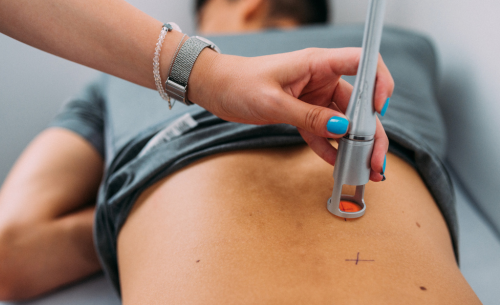
  • Class IV Laser Therapy
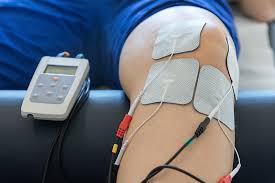
  • TENS Therapy
  • Interferential Therapy (IFT)
  • Therapeutic Ultrasound
  • Soft Tissue Mobilization
  • Myofascial Release

Manual Therapy

  • Pelvic alignment techniques
  • Joint mobilization
  • Soft tissue treatment
  • Pelvic floor rehabilitation (when appropriate)

Rehabilitation Programs

Mobility Exercises

  • Lumbar mobility exercises
  • Hip mobility exercises
  • Pelvic mobility exercises

Strengthening Exercises

  • Core stabilization exercises
  • Gluteal strengthening
  • Pelvic floor muscle training

Functional Rehabilitation

  • Sitting tolerance training
  • Postural retraining
  • Ergonomic education
  • Activity modification strategies

Home Exercise Programs

Customized exercise plans to support recovery and prevent recurrence.

Benefits of Physiotherapy for Coccydynia

  • Reduces pain and tenderness
  • Improves sitting tolerance
  • Enhances pelvic stability
  • Improves posture
  • Restores mobility
  • Addresses contributing biomechanical issues
  • Reduces muscle tension
  • Supports return to normal activities
  • Improves daily comfort
  • Enhances quality of life

Supportive Devices

Helpful supports may include:

  • Coccyx cushions (cut-out cushions)
  • Ergonomic seating modifications
  • Lumbar support cushions

These help reduce pressure on the tailbone during sitting.

When Is Surgery Needed?

Surgery is rarely required and is generally reserved for severe cases that do not respond to conservative treatment.

Surgical Procedure

  • Coccygectomy (removal of the coccyx)

This is considered only after extensive non-surgical management has failed.

Recovery & Prognosis

Recovery depends on:

  • Cause of the condition
  • Severity of symptoms
  • Duration of pain
  • Adherence to rehabilitation

Many patients experience significant improvement within weeks to months with conservative treatment.

Prevention Tips

  • Use proper sitting posture
  • Avoid prolonged sitting on hard surfaces
  • Use supportive cushions when needed
  • Strengthen core and pelvic muscles
  • Maintain a healthy body weight
  • Address falls and injuries promptly

When Should You Seek Medical Attention?

Consult a healthcare professional if you experience:

  • Persistent tailbone pain
  • Difficulty sitting
  • Pain after a fall or trauma
  • Unexplained swelling or bruising
  • Symptoms that interfere with daily activities

Early intervention often leads to better outcomes.

Why Choose Magnum Physiotherapy?

At Magnum Physiotherapy, we specialize in spine, pelvic, and musculoskeletal rehabilitation using evidence-based physiotherapy and advanced treatment techniques. Our individualized treatment programs focus on reducing tailbone pain, restoring function, improving sitting tolerance, and helping patients return to comfortable daily activities
Our Blog

Chat with us Call us