-
Magnum Physiotherapy | Contact No : +91 9998238617
Magnum Physiotherapy | Contact No : +91 9998238617
Lipedema is a chronic and progressive adipose tissue disorder in which abnormal fat accumulates symmetrically beneath the skin, primarily affecting the lower body. Unlike obesity, lipedema involves a disproportionate distribution of fat that is often resistant to diet and exercise.
The condition most commonly affects:
The feet and hands are typically spared, creating a characteristic "cuff sign" at the ankles or wrists.
Lipedema almost exclusively affects women and often develops or worsens during periods of hormonal change such as:
Although the exact cause is not fully understood, genetic and hormonal factors are believed to play a significant role.
Many individuals with lipedema experience pain, tenderness, swelling, and easy bruising. Over time, impaired lymphatic drainage may occur, leading to Lipo-Lymphedema, where lipedema coexists with lymphedema.
Because lipedema is frequently misdiagnosed as obesity or simple weight gain, early recognition and appropriate management are essential to prevent progression and functional limitations.
At Magnum Physiotherapy, our comprehensive rehabilitation programs focus on symptom management, mobility improvement, lymphatic support, and long-term self-care strategies.
Lipedema is primarily diagnosed through clinical examination and medical history.
The evaluation may include:
Additional imaging may be performed when required.
At Magnum Physiotherapy, we assess mobility, pain, swelling, posture, and functional limitations to create individualized treatment plans.
Although there is currently no cure for lipedema, physiotherapy can effectively manage symptoms and improve quality of life.
While lipedema cannot currently be prevented, early diagnosis and treatment can slow progression and reduce complications.
Long-term management includes:
At Magnum Physiotherapy, we provide specialized care for lipedema and lymphatic disorders using evidence-based rehabilitation techniques and advanced technologies. Our personalized treatment programs focus on symptom relief, mobility enhancement, and long-term self-management. We are committed to helping patients improve function, comfort, and overall well-being.
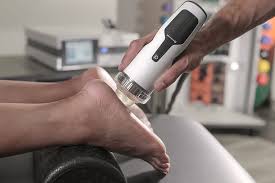
Focused Shockwave Therapy (Short Article)Focused Shockwave Therapy ek advanced non-surgical treatmen...
Read More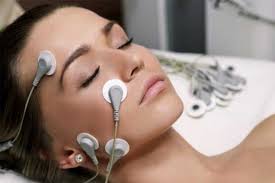
Cord Microcurrent Laser Therapy (Short Article)Cord Microcurrent Laser Therapy ek modern treatment t...
Read More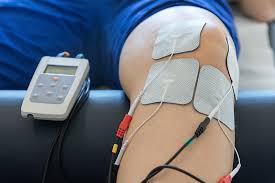
Electrotherapy kya hoti hai? (Short Article)Electrotherapy ek physiotherapy treatment hai jisme halk...
Read More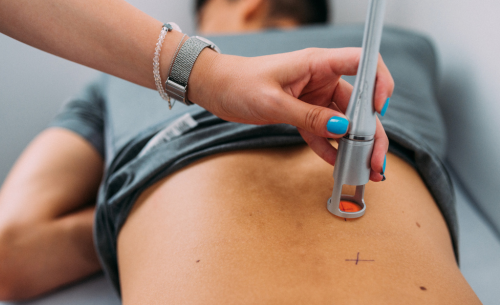
Class 4 Laser Needle Therapy (Short Article)Class 4 Laser Needle Therapy ek advanced treatment techn...
Read More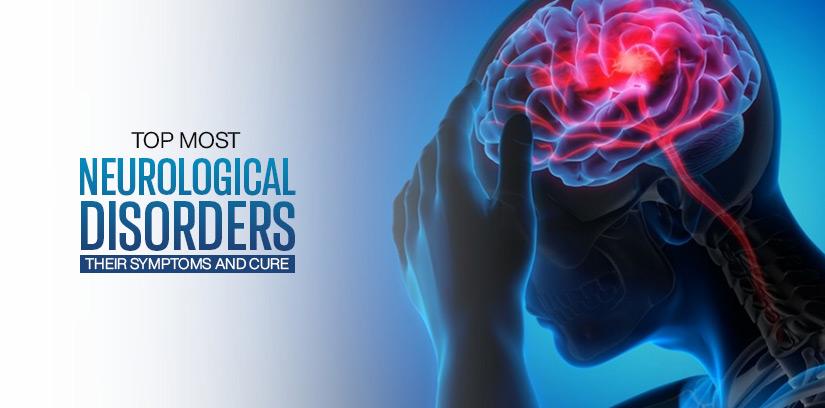
Common Neurological DisordersNeurodegenerative Diseases: Alzheimer’s disease, Parkinson's disea...
Read More