-
Magnum Physiotherapy | Contact No : +91 9998238617
Magnum Physiotherapy | Contact No : +91 9998238617
The gastrocnemius is the largest and most superficial muscle of the calf. Together with the soleus muscle, it forms the calf complex and plays a vital role in walking, running, jumping, and pushing off during movement.
A Gastrocnemius Rupture occurs when the muscle fibers are overstretched and torn, usually during explosive movements or sudden changes in direction. The injury most commonly affects the medial head of the gastrocnemius muscle, where it joins the tendon near the knee.
This condition is often referred to as “Tennis Leg” because it frequently occurs in sports involving rapid acceleration and deceleration, such as tennis, badminton, football, basketball, and sprinting.
Patients often describe feeling a sudden sharp pain or a sensation as if they were struck on the back of the leg. Depending on the severity, the injury may range from a mild strain to a complete muscle rupture.
If not treated properly, gastrocnemius injuries can lead to chronic pain, weakness, reduced athletic performance, and an increased risk of re-injury.
At Magnum Physiotherapy, our evidence-based rehabilitation programs focus on reducing pain, promoting tissue healing, restoring muscle function, and preventing recurrence.
At Magnum Physiotherapy, we perform a detailed assessment to determine the severity of the injury and guide rehabilitation.
The evaluation may include:
A proper assessment is important to differentiate a muscle rupture from conditions such as Achilles tendon rupture or Deep Vein Thrombosis (DVT).
Our treatment programs focus on pain relief, tissue healing, restoring strength, and returning patients safely to activity.
Recovery depends on the severity of the injury:
Early rehabilitation and adherence to treatment significantly improve outcomes and reduce recurrence rates.
At Magnum Physiotherapy, we specialize in advanced sports injury rehabilitation using evidence-based physiotherapy techniques and state-of-the-art technologies. Our personalized treatment programs integrate Laser Therapy, FSM, Shockwave Therapy, and progressive rehabilitation to accelerate recovery and optimize performance. We are committed to helping patients return to pain-free movement and an active lifestyle.
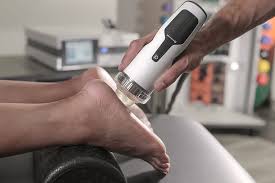
Focused Shockwave Therapy (Short Article)Focused Shockwave Therapy ek advanced non-surgical treatmen...
Read More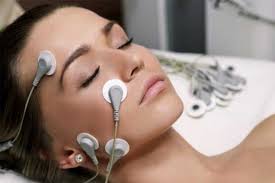
Cord Microcurrent Laser Therapy (Short Article)Cord Microcurrent Laser Therapy ek modern treatment t...
Read More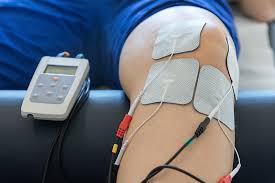
Electrotherapy kya hoti hai? (Short Article)Electrotherapy ek physiotherapy treatment hai jisme halk...
Read More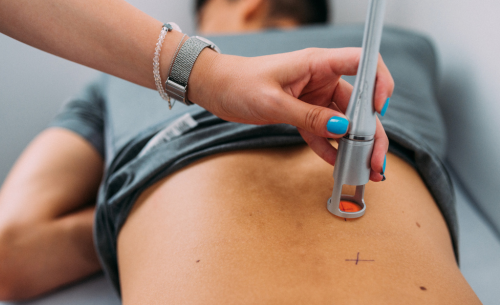
Class 4 Laser Needle Therapy (Short Article)Class 4 Laser Needle Therapy ek advanced treatment techn...
Read More
Common Neurological DisordersNeurodegenerative Diseases: Alzheimer’s disease, Parkinson's disea...
Read More