Logo

Quadriplegia (Tetraplegia)


Quadriplegia (Tetraplegia) is a neurological condition characterized by partial or complete loss of motor and sensory function in:

  • Both arms
  • Both legs
  • The trunk
  • Pelvic organs (in some cases)

The condition occurs when there is damage to the cervical spinal cord (neck region), disrupting communication between the brain and the body below the level of injury.

The cervical spine consists of:

  • C1
  • C2
  • C3
  • C4
  • C5
  • C6
  • C7
  • C8

Generally, the higher the spinal cord injury, the greater the loss of function.

Quadriplegia may be:

  • Complete – no motor or sensory function below the injury level.
  • Incomplete – some motor or sensory function remains.

The severity of impairment varies greatly depending on the level and extent of spinal cord damage.

At Magnum Physiotherapy, our multidisciplinary rehabilitation approach focuses on preserving function, preventing complications, promoting independence, and improving participation in daily life.

Causes & Risk Factors

Traumatic Causes

  • Motor vehicle accidents
  • Falls
  • Sports injuries
  • Diving accidents
  • Violence or trauma

Non-Traumatic Causes

  • Spinal cord tumors
  • Stroke
  • Multiple Sclerosis
  • Cervical myelopathy
  • Infections
  • Transverse myelitis
  • Degenerative spinal diseases

Anatomy Involved

Cervical Spinal Cord

The spinal cord carries motor and sensory signals between the brain and body.

Injury to cervical levels may affect:

  • Upper limbs
  • Lower limbs
  • Respiratory muscles
  • Bladder and bowel function

Common Injury Levels

C1–C4 Injuries

  • Severe paralysis
  • Possible ventilator dependence

C5 Injury

  • Shoulder and elbow movement may remain
  • Hand function often impaired

C6 Injury

  • Some wrist extension preserved

C7 Injury

  • Elbow extension may be present

C8 Injury

  • Greater hand function preserved

Types of Quadriplegia

Complete Quadriplegia

No sensory or motor function below the injury level.

Incomplete Quadriplegia

Partial preservation of function below the injury.

Common Incomplete Spinal Cord Syndromes

  • Central Cord Syndrome
  • Brown-Séquard Syndrome
  • Anterior Cord Syndrome
  • Posterior Cord Syndrome

Common Symptoms

  • Weakness or paralysis of all four limbs
  • Loss of sensation
  • Difficulty with balance and movement
  • Muscle spasticity
  • Reduced hand function
  • Difficulty performing daily activities
  • Bladder dysfunction
  • Bowel dysfunction
  • Sexual dysfunction
  • Respiratory difficulties (higher injuries)
  • Chronic pain or neuropathic pain

Associated Complications

Individuals with quadriplegia may develop:

  • Pressure ulcers
  • Muscle contractures
  • Osteoporosis
  • Respiratory infections
  • Deep vein thrombosis (DVT)
  • Autonomic dysreflexia
  • Urinary tract infections
  • Shoulder pain
  • Spasticity

Early rehabilitation helps reduce these complications.

Diagnosis

Diagnosis involves identifying the level and severity of spinal cord injury.

Investigations may include:

  • Detailed medical history
  • Neurological examination
  • ASIA Impairment Scale assessment
  • Sensory testing
  • Motor testing
  • MRI scans
  • CT scans
  • X-rays

At Magnum Physiotherapy, we assess:

  • Functional mobility
  • Balance
  • Strength
  • Range of motion
  • Respiratory function
  • Activities of daily living (ADLs)

Treatment at Magnum Physiotherapy

Rehabilitation is essential throughout all stages of recovery.

Neurological Rehabilitation Programs

  • Passive and active range of motion exercises
  • Strengthening exercises
  • Stretching programs
  • Postural training
  • Functional mobility training
  • Transfer training
  • Wheelchair skills training
  • Bed mobility training

Gait Rehabilitation

For appropriate candidates:

  • Body Weight Supported Treadmill Training
  • Robotic-assisted gait training
  • Walking aid training

Respiratory Rehabilitation

  • Breathing exercises
  • Airway clearance techniques
  • Respiratory muscle training

Advanced Rehabilitation Techniques

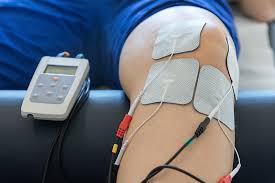
  • Functional Electrical Stimulation (FES)
  • Neuromuscular Re-Education
  • Task-Specific Training
  • Virtual Reality Rehabilitation (when available)

Assistive Devices & Adaptive Equipment

Depending on functional ability, patients may benefit from:

  • Wheelchairs
  • Standing frames
  • Orthoses
  • Transfer boards
  • Environmental control systems
  • Adaptive devices for self-care

Benefits of Physiotherapy for Quadriplegia

  • Maintains joint mobility
  • Prevents contractures
  • Improves muscle strength
  • Enhances circulation
  • Reduces spasticity
  • Improves respiratory function
  • Maximizes independence
  • Improves posture and positioning
  • Facilitates functional recovery
  • Enhances quality of life

Prognosis

Recovery varies widely depending on:

  • Level of spinal cord injury
  • Severity of damage
  • Completeness of injury
  • Early intervention
  • Rehabilitation participation

Some individuals with incomplete injuries regain significant function, while others may require lifelong support and adaptive strategies.

Prevention of Secondary Complications

  • Regular pressure relief
  • Skin care monitoring
  • Range of motion exercises
  • Proper positioning
  • Respiratory exercises
  • Routine medical follow-up

Why Choose Magnum Physiotherapy?

At Magnum Physiotherapy, we specialize in advanced neurological rehabilitation using evidence-based physiotherapy and individualized treatment plans. Our multidisciplinary approach focuses on maximizing independence, preventing complications, improving mobility, and enhancing quality of life for individuals living with quadriplegia.

Our Blog

Chat with us Call us