-
Magnum Physiotherapy | Contact No : +91 9998238617
Magnum Physiotherapy | Contact No : +91 9998238617
Wartenberg’s Syndrome, also known as Cheiralgia Paresthetica or Superficial Radial Nerve Entrapment, is a neuropathic condition involving compression or irritation of the superficial sensory branch of the radial nerve. Unlike other radial nerve disorders, Wartenberg’s Syndrome primarily affects sensation and usually does not cause muscle weakness.
The superficial radial nerve travels along the forearm and emerges near the wrist to provide sensation to the back of the thumb, index finger, and part of the hand. Compression of this nerve can result in pain, numbness, tingling, burning sensations, or hypersensitivity over the dorsolateral aspect of the hand.
The condition commonly develops due to repetitive wrist movements, tight wristbands or watches, trauma, scar tissue formation, or prolonged compression of the nerve. Activities involving repetitive pronation and supination of the forearm, gripping, twisting, or forceful wrist movements may aggravate symptoms.
Wartenberg’s Syndrome can sometimes be mistaken for De Quervain’s Tenosynovitis, as both conditions produce pain near the thumb side of the wrist. Accurate diagnosis is essential because the treatment approaches differ.
At Magnum Physiotherapy, we focus on identifying the underlying cause of nerve irritation and providing targeted rehabilitation to reduce symptoms, improve nerve mobility, and restore hand function.
At Magnum Physiotherapy, we perform a detailed neurological and musculoskeletal assessment to accurately diagnose Wartenberg’s Syndrome and rule out other conditions.
The evaluation may include:
This comprehensive assessment helps guide personalized treatment planning.
Our treatment approach focuses on relieving nerve compression, reducing pain, restoring nerve mobility, and improving function.
At Magnum Physiotherapy, we specialize in advanced nerve rehabilitation using evidence-based physiotherapy and cutting-edge technologies. Our personalized treatment plans integrate PNE, Laser Therapy, FSM, and targeted exercises to provide effective pain relief and long-term recovery. We are committed to helping patients regain function, reduce symptoms, and return to their daily activities with confidence.
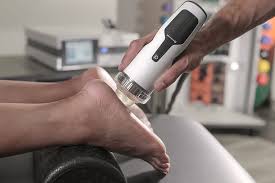
Focused Shockwave Therapy (Short Article)Focused Shockwave Therapy ek advanced non-surgical treatmen...
Read More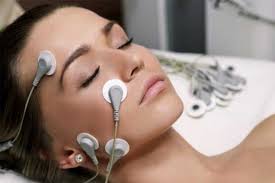
Cord Microcurrent Laser Therapy (Short Article)Cord Microcurrent Laser Therapy ek modern treatment t...
Read More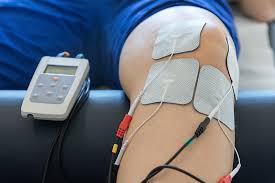
Electrotherapy kya hoti hai? (Short Article)Electrotherapy ek physiotherapy treatment hai jisme halk...
Read More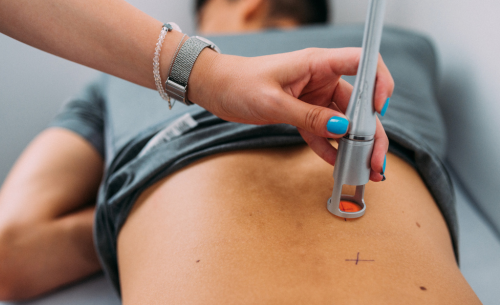
Class 4 Laser Needle Therapy (Short Article)Class 4 Laser Needle Therapy ek advanced treatment techn...
Read More
Common Neurological DisordersNeurodegenerative Diseases: Alzheimer’s disease, Parkinson's disea...
Read More